
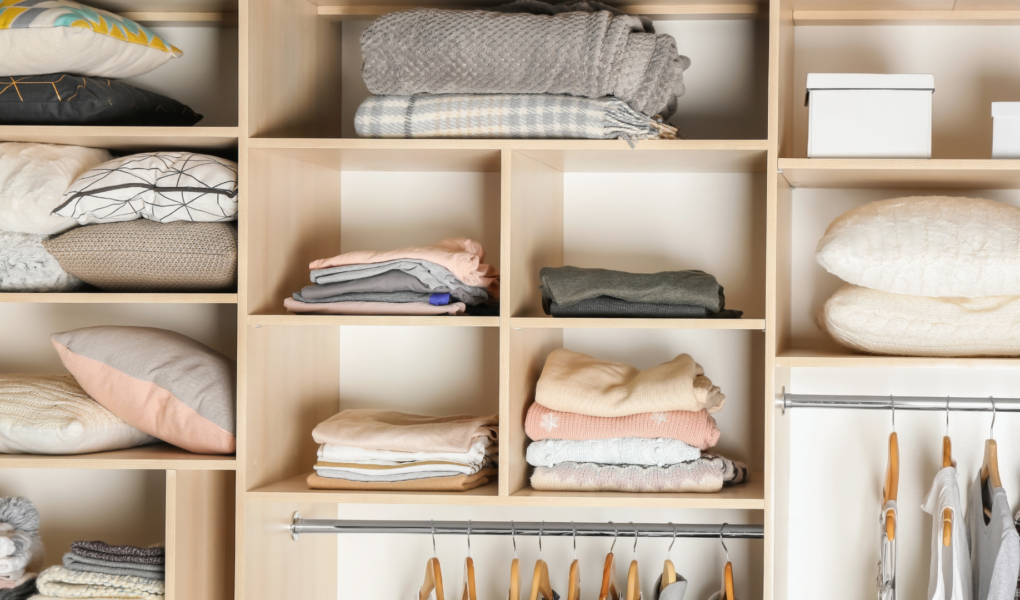
Busy households often face challenges in maintaining an organized home due to limited time and multiple responsibilities. Effective home organization comes down to creating simple routines, designated storage spaces, and minimizing clutter regularly.
Prioritizing what to keep and where each item belongs helps reduce chaos and makes daily tasks more manageable. Small but consistent habits can make a big difference in sustaining order without overwhelming your schedule.
Understanding Home Organization for Busy Families
Busy households face unique hurdles that can disrupt daily routines and clutter shared spaces. Identifying these obstacles and tailoring solutions based on specific family dynamics ensures that organizational efforts are both effective and sustainable. Clear benefits arise when these challenges are managed well, directly improving time management and stress levels.
Common Challenges in Busy Households
Busy households often struggle with time constraints, leaving little room for tidying up or reorganizing spaces. Multiple schedules create conflicting priorities, making it hard to maintain consistency.
Clutter accumulates quickly with the constant flow of activities. Kids’ toys, school supplies, and work-related items mix without designated spots. Limited storage space often compounds the problem.
Daily demands reduce energy for cleaning tasks. This results in a buildup of messes that can interfere with family interactions. Communication gaps also affect shared responsibility for the organization, causing uneven effort.
Benefits of a Well-Organized Home
A well-organized home promotes efficiency by reducing the time spent searching for items. Clear zones for different activities help everyone know where things belong, speeding up transitions between tasks.
It decreases stress by offering a calmer environment. Visual order signals control, improving focus and mood for all family members.
The organization supports better routines. For example, simple systems for homework, meal prep, and clothing storage create habits that reduce last-minute stress. Shared spaces become more functional, encouraging cooperation and smoother daily flows.
Identifying Your Family’s Needs
Start by assessing daily routines and pain points. Note when clutter or disorganization most disrupts flow, such as mornings or after school. Consider specific family members’ habits and preferences.
Create a list of priority areas needing attention, like entryways or kitchen counters. Factor in available storage and budget for any organizational tools or furniture.
Involve everyone in pinpointing what works and what doesn’t. This increases buy-in and supports ongoing maintenance. Focus on practical, realistic solutions tailored to your household rhythm.
| Step | Action | Purpose |
| 1. Observe | Track clutter hotspots | Identify critical areas |
| 2. List | Prioritize spaces to organize | Focus efforts where needed |
| 3. Collaborate | Include family in planning | Ensure solutions fit everyone |
| 4. Implement | Apply the chosen organizational systems | Create functional order |
Developing Practical Organization Systems
Effective organization in busy homes depends on consistent routines, targeted decluttering, and smart storage. Implementing these strategies creates order without overwhelming daily life.
Establishing Routines and Schedules
Creating daily and weekly routines helps maintain organization by distributing tasks evenly. Assign specific times for chores like tidying up, laundry, and meal prep to avoid last-minute clutter.
Use calendars or apps to track these routines. Visual reminders, such as checklists, can motivate all family members to participate. Keep routines flexible to accommodate unexpected changes but consistent enough to build habits.
Break larger tasks into smaller daily actions. For example, spend 10 minutes each morning on quick cleanups. This prevents mess from building up and reduces the time needed for deep cleaning.
Decluttering Strategies for Every Room
Begin by sorting items into keep, donate, and discard categories. Focus on one room at a time to avoid feeling overwhelmed. Prioritize high-traffic areas like kitchens and living rooms.
Use the “one-in, one-out” rule: for every new item brought into the home, remove an old one. Regularly revisit storage spaces to identify items no longer needed.
For sentimental items, limit storage to designated boxes or shelves to contain clutter. Clear surfaces and containerize smaller items to maintain order easily.
Storage Solutions for Limited Spaces
Maximize vertical space using wall-mounted shelves, pegboards, and hooks to free up floor areas. Use clear, labeled bins for visibility and quick access.
Furniture with built-in storage, such as ottomans or beds with drawers, helps conceal belongings while saving space. Consider multi-purpose pieces to reduce the number of items.
Drawer dividers and stackable containers optimize small cabinets and closets. Keep frequently used items at eye level and lesser-used ones higher or lower to maintain efficiency.
Organizing High-Traffic Areas
Maximizing space and minimizing clutter in busy zones requires practical storage solutions tailored to everyday use. Efficiently sorting items and designating spots ensures smoother routines and reduces mess.
Entryway Organization Tips
Start with a sturdy shoe rack or cubby system to keep footwear orderly and off the floor. Use wall-mounted hooks or a pegboard for bags, coats, and keys to make items easy to grab and return.
A small bench with storage underneath supports quick seating and hides seasonal accessories. Label baskets or bins for hats, gloves, and mail to avoid pile-ups. Consider a slim console table to hold essentials like wallets or sunglasses without crowding the area.
Kitchen Efficiency and Storage
Clear countertops by storing small appliances in cabinets or on open shelving. Use drawer dividers for utensils, keeping frequently used tools front and center.
Install pull-out shelves or lazy Susans in lower cabinets to access pots and pans easily. Group spices in a single rack and store pantry items in labeled airtight containers to speed up cooking prep and reduce waste.
Utilize vertical space with hanging racks for pots, pans, or frequently used utensils. This opens the cabinet room and keeps everything visible.
Bathroom Organization Essentials
Utilize wall space with shelves or medicine cabinets to hold toiletries and cleaning supplies. Install hooks or bars for towels to maintain dryness and order.
Use stackable bins or clear containers under the sink to segregate items like first aid, hair care, and daily hygiene products. Consider a shower caddy or suction shelves to keep shampoo and soap accessible and off surfaces.
Place a small basket near the toilet for extra toilet paper rolls. Regularly clear expired products to keep the space manageable.
Time-Saving Organization Hacks
Efficiently managing household tasks hinges on quick cleanup routines, smart task distribution, and centralizing family coordination. These strategies reduce stress and free up valuable time.
Quick Clean-Up Methods
Set a timer for 10 to 15 minutes to tackle small clutter hotspots daily. Focus on one room or surface at a time, such as the kitchen counter or the living room coffee table.
Use baskets or bins labeled by category (e.g., toys, mail, chargers). This creates designated drop zones, making tidying faster and more purposeful.
Adopt the “one-touch” rule: when picking up an item, put it directly where it belongs instead of moving it around. This eliminates unnecessary handling and speeds up the process.
Batching and Task Delegation
Group similar chores together, like laundry and ironing or grocery shopping and meal prep, to maximize efficiency. This reduces wasted transition time between different types of tasks.
Assign specific responsibilities to each family member based on ability and schedule. Use a shared checklist or app to track tasks and deadlines.
Set fixed days for tasks like vacuuming, trash day, or changing bed linens. Regular scheduling builds routine and prevents last-minute rushes.
Creating a Family Command Center
Install a wall-mounted station near a common entry point. Include a calendar, whiteboard, and cubbies for mail and keys.
Use color-coded markers or magnets to indicate appointments, activities, and important reminders. This makes the shared schedule visible and accessible.
Incorporate hooks or slots for frequently used items like backpacks and chargers. Keeping essentials organized in one spot cuts down on searching time.
Keeping Kids’ Spaces Organized
Busy households need clear systems for kids’ areas to reduce clutter and create functional spaces. An effective organization can make toy clean-up faster and help children focus on homework without distractions or lost supplies.
Streamlining Toys and Play Areas
Limit the number of toys accessible at one time by rotating items weekly. Use labeled bins or clear containers to separate categories like puzzles, building blocks, or art supplies. This makes it easier for kids to find and return items properly.
Designate specific zones for different activities, such as a reading nook and a craft station, helping contain messes and define play purposes. Use low shelves or cubbies to keep frequently used toys within reach but off the floor.
Clear labeling with pictures supports younger children who cannot read yet. Schedule regular sorting sessions to donate broken or unused toys, preventing unnecessary buildup.
Organizing Homework and Study Zones
Create a dedicated, quiet space with good lighting and minimal distractions for studying. A desk with drawers or organizers will keep school supplies like pens, notebooks, and calculators tidy and accessible.
Use wall-mounted organizers or corkboards to track assignments and deadlines visually. This helps children manage their time and priorities without cluttering the desk surface.
Encourage a daily routine of clearing the study area after use to prevent papers and supplies from piling up. Keeping electronic devices charged and ready in the study zone can also boost efficiency.
Maintaining an Organized Home Long-Term
Sustaining order requires regular effort and clear strategies. Establishing set habits and scheduling specific times for decluttering can keep your home functional and tidy year-round. Small, consistent actions prevent buildup and reduce stress over time.
Consistency and Review Routines
Creating daily and weekly habits is essential. Spend 10-15 minutes each day tidying high-traffic areas like the kitchen or living room. A short evening clean-up routine can make a difference by resetting the space.
Weekly reviews are effective. Designate one day for checking shared areas, sorting mail, and managing items out of place. Use a checklist to track completed tasks and identify problem spots quickly.
Example daily routine:
- Morning: Make beds, clear counters
- Evening: Put away items left out, wipe surfaces
Keeping these routines simple boosts the chance of sticking to them without feeling overwhelmed.
Seasonal Decluttering Plans
Set specific dates each season to tackle deeper decluttering. Focus on areas prone to accumulation, such as closets, toy bins, and pantry shelves. Removing unused or expired items improves space and functionality.
Break down the work into manageable tasks. For example, assign one weekend to clothes sorting and the next to kitchen organizing. Donate or recycle items in good condition to avoid clutter buildup.
Seasonal checklist sample:
| Task | Focus Area | Frequency |
| Clothes review | Closets, drawers | Every Spring, Fall |
| Pantry cleanout | Kitchen storage | Every Winter, Summer |
| Toy rotation | Children’s rooms | Every Spring, Fall |
Having clear goals for these sessions makes the process efficient and less daunting.
Tech Tools and Apps for Home Organization
Using digital tools can streamline daily tasks and keep everyone in the household aligned. Key features like shared calendars, task lists, and reminders help manage time and responsibilities effectively.
Digital Schedules and Reminders
Apps like Google Calendar, Microsoft Outlook, and Apple Calendar offer shared schedules that sync across devices. These tools allow family members to add appointments, deadlines, and special events, reducing missed commitments.
Reminders can be set for recurring tasks like bill payments or grocery shopping. Notifications can be customized by time and priority, ensuring critical tasks are not overlooked. Color coding events visually distinguishes each family member’s activities.
Integrating calendars with voice assistants such as Alexa or Google Assistant enables convenient, hands-free updates and alerts. Digital scheduling consolidates multiple paper planners into one accessible system, saving time and minimizing confusion.
Apps for Family Chores
Chore management apps like OurHome, Tody, and ChoreMonster provide structured ways to assign, track, and motivate household tasks. These apps include features like task delegation, progress tracking, and reward systems to encourage participation.
OurHome allows parents to assign chores with deadlines and tracks completion, also supporting grocery lists and calendar integration. Tody focuses on decluttering and cleaning schedules using an easy interface, reducing guesswork over which chores need attention.
Reward-based apps like ChoreMonster engage younger children through points and prizes, promoting responsibility without resistance. These apps help distribute workload evenly and bring accountability into family routines through transparent task management.
Personalizing Your Organization Style
Every household has unique needs. Tailoring yourorganization’sn system to fit your routines increases its effectiveness. Start by assessing your daily habits and the spaces you use most often.
Consider what motivates you. Some people prefer visual order, such as clear containers and open shelving. Others work better with labeled bins or digital organization tools.
Common organization styles include:
| Style | Description | Best For |
| Minimalist | Reducing clutter to essentials | Small spaces, simple needs |
| Color-coded | Using color to categorize | Visual planners, kids’ rooms |
| Functional zones | Grouping by activity | Busy kitchens, home offices |
Think about your family’s involvement, too. A system that encourages everyone to participate helps maintain order. Assign tasks or zones based on preferences and strengths to keep things running smoothly.
Flexibility matters as well. You can adjust your method seasonally or as schedules change. This keeps your organization aligned with your lifestyle. Keep tools and storage accessible for quick tidying, especially in high-traffic areas.