
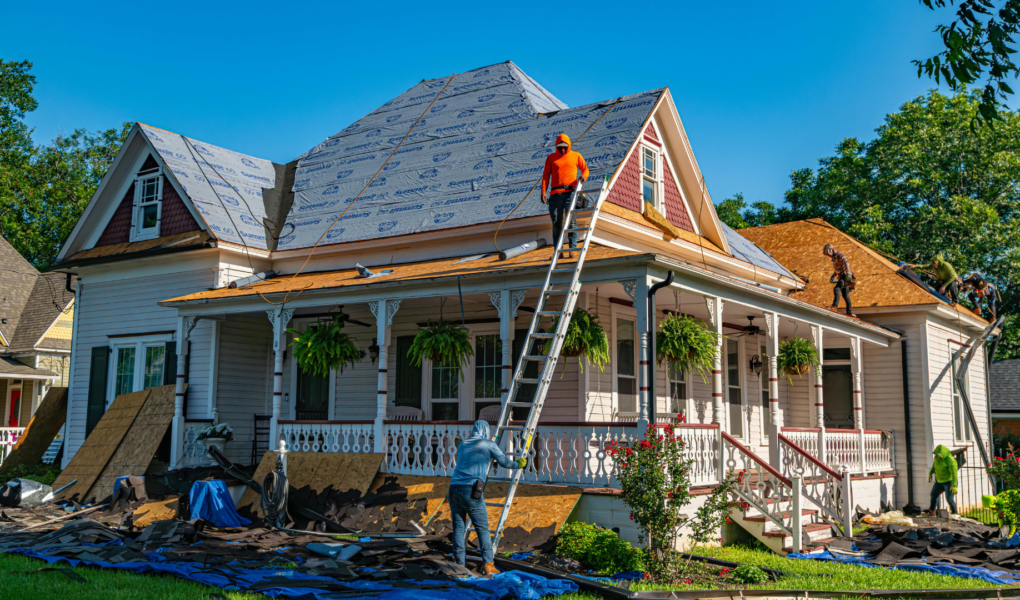
Owning an older home means dealing with unique maintenance challenges that newer houses often don’t face. From aging plumbing to weathered roofing, these issues require timely attention to prevent costly repairs.
Regular inspections and preventive care are key to preserving the structural integrity and comfort of older homes. Knowing where to focus your efforts can save time and money while maintaining the charm and function of your property.
This post will guide you through practical tips designed to help you manage common problems found in older homes, ensuring they remain safe and comfortable for years to come.
Assessing the Condition of Older Homes
Careful inspection is crucial when maintaining an older home. Key areas such as structural integrity, foundation stability, and signs of water damage reveal the overall health of the property. Addressing these aspects early prevents costly repairs later.
Identifying Common Structural Issues
Older homes often have visible cracks in walls, uneven floors, or doors and windows that do not close properly. These are signs of settling or framing problems.
Look for bowing or leaning walls, which may indicate weakened support beams or termite damage. Pay special attention to areas around chimneys and exterior walls, as these tend to show early signs of movement.
Check ceiling and wall joints for gaps or separation. Inspect wood elements for rot or insect infestation. Document any cracks wider than 1/4 inch, as these can signal significant issues needing professional assessment.
Evaluating Foundation and Basement
Start by inspecting the foundation for large cracks, especially those that are horizontal or stair-stepped. These may indicate serious structural shifts.
In the basement, check for dampness, mold, or efflorescence (white powdery substance) on walls, which points to moisture intrusion. Ensure proper ventilation to prevent condensation buildup.
Look for signs of water pooling near the foundation outside. Grading should slope away from the house to direct water flow. Examine any sump pumps or drainage systems for functionality. Cracked or deteriorating masonry requires prompt attention.
Checking for Water Damage
Water damage often appears as stains or discoloration on ceilings and walls. These patches may be yellow, brown, or dark gray and sometimes accompanied by a musty odor.
Inspect around windows, doors, and roof valleys where leaks commonly develop. Check attic spaces for water streaks or mold growth, particularly after heavy rains.
Look for warped or swollen wood, peeling paint, or blistered drywall as further indicators of moisture problems. Address leaks immediately to prevent structural damage and mold growth. Use moisture meters for a precise assessment in hidden areas.
Maintaining Historic Features
Older homes often include unique architectural details that require specialized care. Attention to materials, tools, and methods ensures their preservation without diminishing historic value.
Preserving Original Windows and Doors
Original windows and doors contribute significantly to a home’s character and energy efficiency. Avoid replacing them when possible; instead, focus on repairs like reglazing, weather stripping, and fixing broken panes.
Use putty designed for historic windows to secure glass, and opt for storm windows to improve insulation without altering appearance. For doors, reconditioning hinges and locks can maintain security without removing original hardware.
Moisture is a common threat, so regularly check for rot or warping. Applying appropriate exterior paint or sealants helps protect wood surfaces while maintaining breathability.
Restoring Woodwork and Trim
Wood trim in older homes often features intricate designs requiring careful restoration. Start by cleaning surfaces gently with wood-specific products to avoid damage.
Small cracks or chips can be filled with a wood filler matching the grain and color. Avoid modern synthetic fillers that may not age well.
Sanding should be light and even, preserving detail. When repainting or staining, choose finishes that replicate the original sheen and color to maintain authenticity.
Protecting Period Flooring
Historic flooring, often hardwood or natural stone, demands specific maintenance to extend its life. Regular sweeping and damp mopping prevent dirt buildup without excess water exposure.
For hardwood, periodic refinishing might be required. Use fine-grit sandpaper and apply finishes similar to the original, such as oil-based or shellac.
Rugs protect high-traffic areas, but avoid adhesives or tapes that can damage the surface. Identify and repair loose boards promptly to prevent further damage.
Updating Electrical and Plumbing Systems
Older homes often have outdated electrical and plumbing systems that may not meet today’s safety and efficiency standards. Addressing these systems requires careful inspection and targeted upgrades to prevent hazards and improve functionality.
Upgrading Aging Wiring
Homes built before the 1980s frequently use knob-and-tube or aluminum wiring. These wiring types pose fire risks and often can’t support modern electrical loads. Replacing them with copper wiring improves safety and accommodates appliances that draw more power.
Look for signs like flickering lights, discolored outlets, or a burning smell, which indicate wiring problems. An electrician can perform a complete assessment, ensuring circuits are grounded and breakers are sized correctly. Upgrading to modern wiring may also allow installation of GFCI and AFCI outlets, reducing shock hazards.
Ensuring Safe Electrical Panels
Older electrical panels may lack sufficient circuit breakers or use outdated fuses. Panels with Federal Pacific or Zinsco brands have documented failure rates, increasing fire risk. It’s crucial to have a licensed electrician evaluate your panel for reliability and capacity.
If replacement is necessary, choose a panel with adequate amperage for your home’s current electrical demand, often 100 to 200 amps. Proper labeling of circuits improves troubleshooting and safety during maintenance. Regular inspection of breakers and wiring connections prevents potential failures.
Inspecting Old Plumbing Pipes
Many older homes contain galvanized steel or cast iron pipes, which corrode and clog over time. These materials can cause low water pressure, leaks, and water quality issues. Copper or PEX piping upgrades offer improved durability and flow.
Signs of pipe aging include rust-colored water, frequent leaks, and unusual odors. An experienced plumber can perform a camera inspection to identify corrosion or blockages inside pipes. Prioritize replacing pipes in walls or under floors to avoid costly water damage. Regular maintenance reduces the risk of sudden failures.
Improving Energy Efficiency in Older Homes
Upgrading energy efficiency in older homes targets areas where heat loss or gain occurs most. Focusing on insulation and identifying air leaks is key to reducing energy waste and lowering utility bills. Careful attention to these details improves comfort and helps maintain a consistent indoor temperature.
Insulation and Weatherproofing
Older homes often lack sufficient insulation, especially in attics, walls, and basements. Adding insulation can drastically reduce heat transfer, limiting cold drafts in winter and keeping the home cooler in summer.
Common materials include fiberglass batts, spray foam, and rigid foam boards. Spray foam offers superior air-sealing properties but is more expensive; fiberglass is cost-effective and simple to install.
Weatherproofing involves sealing around windows, doors, and exterior walls with weatherstripping and caulk. Check for damaged or missing weatherstrips and replace them to prevent airflow.
Focus on attic insulation levels, aiming for R-values recommended for your region. Upgrading to double-pane or storm windows further enhances thermal performance without altering historic character.
Sealing Drafts and Gaps
Drafts often come from gaps around door frames, window sills, electrical outlets, and plumbing penetrations. These leaks let conditioned air escape and outside air enter, increasing heating and cooling costs.
Perform a thorough inspection using tools like a smoke pencil, infrared thermometer, or simply feel for cold air with your hand near suspect areas.
Use caulk for stationary cracks under 1/4 inch wide, and spray foam or expanding foam for larger openings. Weatherstripping on movable parts stops drafts around doors and operable windows.
Don’t ignore less obvious spots such as recessed lighting, attic hatches, and baseboards. Air barriers or draft blockers installed in these places can significantly improve energy retention.
Regular maintenance and sealing directly impact long-term energy savings and home comfort.
Preventing Moisture and Mold Problems
Moisture control is essential in older homes to avoid structural damage and health hazards from mold. Effective air circulation and proper water drainage play critical roles in maintaining dry living spaces.
Maintaining Proper Ventilation
Older homes often lack modern ventilation systems, making airflow management crucial. Use exhaust fans in kitchens and bathrooms to reduce humidity. Open windows regularly to promote cross-ventilation, especially after cooking or showering.
Check attic and crawl space vents for blockages or damage to prevent trapped moisture. Installing vent fans with timers can help maintain airflow without energy waste. Consider upgrading to energy recovery ventilators (ERVs) if the budget allows.
Humidity levels should stay between 30-50%. Use a hygrometer to monitor and use dehumidifiers if the humidity rises. Proper ventilation prevents condensation buildup on windows, walls, and pipes, which can lead to mold growth.
Keeping Gutters and Drains Clear
Gutters and drains direct rainwater away from the home’s foundation. Clogged gutters cause water overflow, increasing the risk of basement flooding and wood rot. Clean gutters at least twice a year, especially in fall and spring.
Inspect downspouts to ensure water is diverted at least 3 to 5 feet from the foundation. Install gutter guards to reduce debris buildup. Check for damaged or sagging sections and repair promptly to maintain water flow.
Ground grading should slope away from the home about 6 inches over 10 feet to prevent pooling near foundations. Proper gutter and drain maintenance controls moisture, crucial for protecting older home structures from deterioration.
Exterior Maintenance and Repairs
Maintaining the exterior of an older home requires careful attention to key structural elements. Identifying damage early and using proper repair techniques can prevent costly future problems and preserve the home’s integrity.
Roof Inspection and Repair
Regular roof inspections are essential to catch damaged or missing shingles, cracked flashing, and signs of water intrusion. Look for curling or brittle shingles, especially after storms or strong winds. Check the attic for daylight or moisture stains, which can indicate leaks.
Repair damaged shingles promptly to avoid water damage. Replace cracked or loose flashing around chimneys, vents, and skylights to prevent leaks. Clean gutters and downspouts to ensure proper drainage; clogged gutters can cause water to back up under the roof edges. Consider hiring a professional for thorough inspections every 2-3 years.
Caring for Siding and Paint
Siding on older homes often requires frequent monitoring for rot, warping, and insect damage. Wooden siding should be checked annually for loose boards and peeling paint.
Scrape away peeling paint and fill cracks or holes with appropriate filler or caulk before repainting. Use high-quality, exterior-grade paint suited for the home’s material to extend the lifespan. Vinyl and fiber cement siding should be cleaned regularly with a mild detergent to prevent mildew buildup. Maintaining the exterior paint and siding protects the home from moisture infiltration and structural decay.
Landscape and Drainage Considerations
Proper landscape design and drainage are critical to protecting an older home’s foundation and preventing water damage. Attention to soil slope and plant placement can help avoid costly repairs and maintain structural integrity.
Grading Around the Foundation
The ground near an older home should slope away from the foundation to direct water flow outward. Ideally, there should be at least a 6-inch drop over the first 10 feet from the house.
Avoid low spots where water can accumulate next to foundation walls. These areas can cause seepage, leading to basement leaks or structural weakening. Use soil with good drainage properties and compact it to maintain the slope over time.
Installing gutters and downspout extensions is essential. They channel roof runoff away from the foundation and reduce soil erosion near the home.
Managing Tree and Plant Growth
Trees and large shrubs should be planted at least 10 to 15 feet away from an older home’s foundation. Roots can penetrate or disturb foundations, increasing the risk of cracks or uneven settling.
Regularly prune plants to prevent branches from rubbing against siding or roofing, which can cause damage and invite pests. Avoid aggressive plants that consume significant soil moisture, as this can cause soil shrinkage and foundation stress.
Replace soil near plants annually to prevent erosion and maintain proper grading around the foundation.
Safety Precautions for Older Homes
Older homes often contain hidden hazards that require careful attention. Identifying health risks and upgrading safety devices are critical steps to protect occupants.
Detecting Lead Paint and Asbestos
Lead paint was commonly used before 1978, posing serious health risks, especially to children. Look for peeling or chipping paint on walls, windows, and doors. A certified professional can test for lead using swab kits or lab analysis. Avoid disturbing areas with suspected lead paint to prevent the release of harmful dust.
Asbestos appears in insulation, floor tiles, and roofing materials in homes built before the 1980s. It is dangerous when damaged or disturbed. Hire a licensed asbestos inspector for testing. If asbestos is present and in poor condition, only qualified contractors should remove or seal it, as unsafe handling can release toxic fibers.
Installing Modern Smoke and CO Detectors
Older homes often lack adequate smoke and carbon monoxide (CO) detectors or have outdated models. Install photoelectric smoke detectors on every level, especially near bedrooms, to detect slow-smoldering fires. Ionization detectors can be added in kitchens or garages to sense fast-flaming fires.
CO detectors are vital near bedrooms and fuel-burning appliances like furnaces or fireplaces. Choose battery-backed or hardwired units with a loud alarm. Test detectors monthly and replace batteries at least once a year. Replace devices themselves every 7-10 years for reliable performance.
Routine Maintenance Checklist for Older Properties
Maintaining an older home requires consistent attention to both visible and hidden issues. Identifying seasonal priorities and bringing in specialists at regular intervals ensures the property stays safe and functional.
Seasonal Inspection Recommendations
Inspect the roof for missing or damaged shingles before and after winter to prevent leaks. Clear gutters of leaves and debris in fall and spring to avoid water damage. Check windows and doors for drafts, and replace worn weather stripping to improve energy efficiency.
Assess the foundation each season for cracks or settling signs. Look for water pooling near the foundation, which can cause structural damage. Test smoke and carbon monoxide detectors and replace batteries at least twice per year.
Pay attention to plumbing in colder months—insulate exposed pipes to prevent freezing. Clean HVAC filters and schedule ductwork cleaning before summer and winter for better airflow and system longevity.
Scheduling Regular Professional Assessments
Hire a licensed electrician every 3-5 years to inspect wiring, outlets, and the electrical panel. Older homes often have outdated systems that can pose fire risks or fail to meet current codes. A professional can identify hidden hazards before they cause problems.
Engage a licensed plumber periodically to check for corrosion, leaks, and water pressure issues. Older plumbing materials, such as galvanized pipes, may require replacement to prevent failures or contamination.
Schedule a home inspector or structural engineer to review the overall integrity every 5-7 years. They can spot subtle foundation issues, pest damage, or moisture problems. Early detection reduces repair costs and maintains home value.
Budgeting and Planning for Ongoing Upkeep
Maintaining an older home requires careful planning to address repairs and avoid unexpected costs. Prioritizing projects based on urgency and impact helps allocate funds efficiently. Accurate cost estimates support realistic budgeting and reduce financial strain.
Setting Priorities for Repairs
Focus first on safety and preventing further damage. Critical areas include roofing, foundation, electrical systems, and plumbing. Issues like leaks, exposed wiring, or cracks in load-bearing walls should be addressed immediately.
Routine upkeep, such as painting or HVAC servicing, can be scheduled later. Use a checklist to categorize repairs by urgency: urgent, necessary, and cosmetic. This helps avoid neglecting major problems while managing budget constraints.
Estimating Home Maintenance Costs
Track costs by creating a detailed budget that covers parts, labor, and permits. Older homes often require specialty materials or skilled tradespeople, increasing expenses. Use local contractor quotes and historical data for realistic figures.
Set aside 1-3% of your home’s value annually for upkeep. For example, a $250,000 home would require $2,500 to $7,500 each year. Include a contingency fund of 10-20% to cover unexpected repairs. Detailed records help refine estimates over time.