
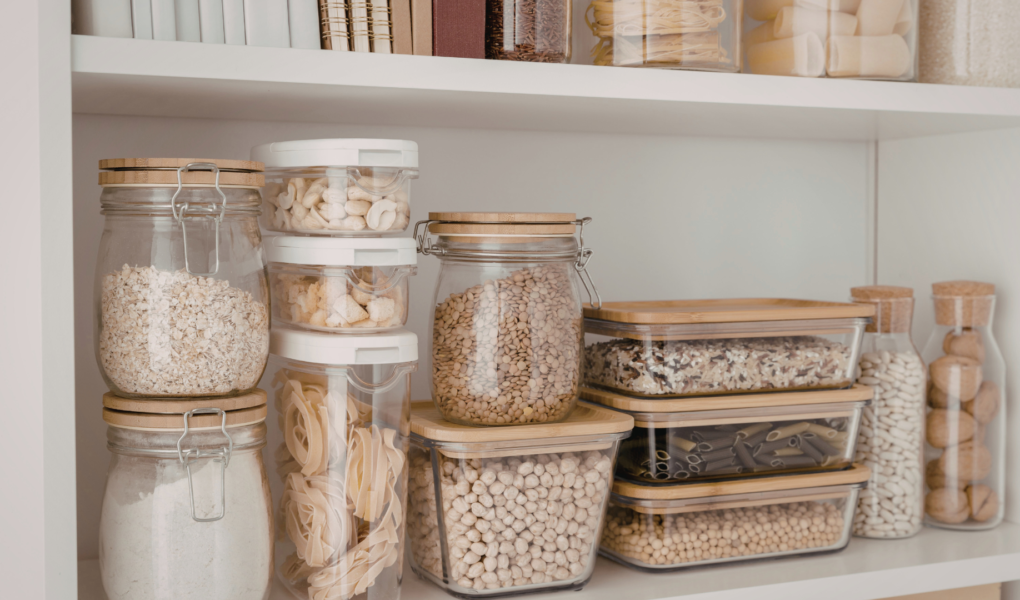
An efficient pantry keeps everything visible, accessible, and easy to find. Start by categorizing items and using clear containers or labels to maintain order and prevent clutter. This method reduces wasted space and saves time when cooking or shopping.
Organizing your pantry also means prioritizing frequently used items at eye level and grouping similar products together. By arranging shelves thoughtfully, you create a system that supports daily routines without hassle.
Assessing and Planning Your Pantry Space
Understanding what you need to store, the actual dimensions of your pantry, and clear objectives for organization are essential. This groundwork ensures efficient use of space and tailored storage solutions.
Evaluating Your Storage Needs
Start by listing all pantry items you currently have and those you regularly purchase. Group items by type: canned goods, baking supplies, snacks, spices, etc. This helps identify how much space each category requires.
Consider the frequency of use. Items accessed daily should be stored at eye level or within easy reach. Less-used products can be placed on higher or lower shelves.
Assess container sizes and packaging. Bulky or oddly shaped items may need special storage, like bins or baskets. Knowing the exact needs prevents overcrowding and wasted space.
Measuring Available Pantry Space
Measure the height, width, and depth of your pantry, including shelves, floor area, and door storage if applicable. Record these dimensions precisely.
Note any fixed features such as vents, light fixtures, or supports that reduce usable space. Also, check shelf adjustability to customize heights.
Create a rough sketch or use an app to map the space. This visual aid supports planning and helps compare storage options effectively.
Setting Organization Goals
Determine what you want to achieve with your pantry setup—ease of access, maximizing storage, or simplifying cleanup.
Define priorities such as keeping frequently used items visible and grouping similar products together. Goals can include reducing clutter or introducing labeling.
Set realistic targets based on your lifestyle and kitchen habits. Clear goals help guide organizational choices and maintain the system over time.
Sorting and Categorizing Pantry Items
Efficient pantry organization starts with sorting items based on clear criteria. Grouping by type, use frequency, and expiration helps create a system that saves time and reduces food waste.
Grouping Similar Items Together
Begin by placing like items in the same area. For example, keep baking ingredients—flour, sugar, baking powder—together in one section. Canned goods should have their own designated space, separated by type, like vegetables, soups, and beans.
Use clear bins or labeled baskets to maintain these groupings. This not only aids quick retrieval but also keeps the pantry tidy and manageable. Grouping items by packaging type, such as bottles, boxes, or jars, can also improve shelf stability and appearance.
Identifying Frequently Used Products
Identify which pantry items you use daily or weekly and place them at eye level or in the most accessible spots. Items like cooking oils, spices, and snacks should be easy to reach.
Less frequently used products, such as specialty flours or canned goods for occasional meals, can be stored higher up or in the back. This approach prevents clutter and streamlines meal preparation by prioritizing convenience.
Removing Expired and Unused Goods
Check expiration dates on all items and discard anything past its use-by date. Expired products can affect food safety and flavor.
Also, remove items you no longer use or have duplicates of. If an item is unopened but unwanted, consider donating it. Clearing these out frees up space, making room for essentials and reducing clutter.
Selecting Storage Solutions
Effective pantry organization begins with selecting appropriate storage options. Containers, bins, and labels each play a specific role in maximizing space and maintaining order. Prioritizing functionality and ease of use will help maintain an efficient pantry setup.
Choosing the Right Containers
Choose containers that provide airtight seals to keep food fresh and prevent pests. Clear plastic or glass containers help quickly identify contents without opening them. Standard sizes simplify stacking and create uniformity on shelves.
Consider containers with wide openings for easy access and cleaning. Stackability is crucial for saving vertical space in smaller pantries. Avoid bulky or oddly shaped containers that waste space or create clutter.
Utilizing Bins and Baskets
Bins and baskets group similar items and keep loose products contained. Use deep bins for large bags like flour or rice, and shallow baskets for spice packets or snack bars.
Materials like wire, plastic, or fabric serve different purposes—wire bins offer visibility; plastic bins clean easily; fabric baskets add flexibility and a softer look. Assign specific bins to categories like baking ingredients, canned goods, or snacks for faster retrieval.
Labels for Easy Identification
Labels reduce search time and maintain organization. Use consistent label styles—printed or handwritten—but ensure they are easy to read. Place labels on the front of containers or bins.
Consider waterproof or laminated labels for areas prone to moisture. Color-coding labels can also speed up identifying food groups or dietary needs. Change labels as inventory changes to keep the system up to date.
Organizing Pantry Layout
Effective pantry organization begins with creating logical zones, placing items for easy reach, and optimizing all available space. Each step helps improve efficiency and keeps the pantry orderly, reducing time spent searching for ingredients.
Designating Zones for Different Foods
Group similar food items together to create clear zones. For example, dedicate one shelf to canned goods, another to baking supplies, and a separate area for snacks. This prevents confusion and speeds up meal prep.
Use labeled containers or bins within zones to keep smaller packets organized. Store heavy items on lower shelves to avoid accidents and lighter, frequently used items at eye level. Frozen or specialty foods should be kept in a separate section.
Zone designation minimizes clutter by reducing mix-ups and helping to maintain stock levels without overcrowding any one shelf.
Arranging Items for Accessibility
Place frequently used items at the front and at a comfortable eye or hand level. Less common or bulk goods can be stored on higher or lower shelves. This arrangement reduces bending or stretching during busy cooking times.
Clear containers help identify contents quickly. Use lazy Susans or pull-out drawers for deep shelves to avoid reaching and moving items multiple times.
Always keep expiration dates visible to rotate stock efficiently and avoid food waste.
Maximizing Vertical and Shelf Space
Adjust shelving height to fit different containers, adding extra shelves if needed. Use stackable bins and tiered racks to utilize vertical space without overcrowding.
Door-mounted racks are good for spices, oils, and small packets. Under-shelf baskets can double storage in narrow spaces.
Taking full advantage of vertical areas prevents clutter and creates a clean, accessible pantry.
Maintenance and Upkeep Strategies
Keeping a pantry organized requires consistent attention to inventory and thoughtful restocking. Prioritizing these tasks avoids clutter and ensures freshness while maintaining accessibility.
Regularly Reviewing Pantry Inventory
Set a routine to check pantry contents weekly or biweekly. Focus on expiration dates, damaged packaging, and items that are running low. Remove anything expired or spoiled immediately to prevent contamination.
Group similar products together during the review. This helps spot duplicates or items that aren’t being used. Use a simple checklist or app to track quantities and expiry dates for better visibility.
Regular reviews reduce food waste and optimize space. Pay special attention to frequently used staples such as grains, canned goods, and spices.
Restocking and Reorganizing Tips
When restocking, place new items behind older stock to use older products first. This system, known as First In, First Out (FIFO), minimizes waste.
Reorganize shelves periodically to adjust for changing needs. For example, reposition frequently used items at eye level or within easy reach.
Use clear, labeled containers for loose items like flour or nuts. This keeps everything visible and protects food from pests.
Keep a small list of essentials that trigger automatic restocking. It streamlines shopping trips and prevents sudden shortages.
Smart Pantry Habits for Efficiency
Regularly rotating items helps prevent food waste. Use the “first in, first out” method by placing older products in front and new ones behind. This keeps your pantry fresh and minimizes expired goods.
Labeling containers and shelves brings clarity. Use clear labels with product names and expiration dates. This saves time when searching and keeps track of what needs to be used soon.
Maintaining a checklist or inventory is effective. Update it weekly to know what you have and what needs replenishing. This avoids overbuying and ensures essentials are always stocked.
Group similar items together, like snacks, baking supplies, or canned goods. This creates dedicated zones, making it easier to find what’s needed quickly. Keeping frequently used items at eye level speeds up meal preparation.
A consistent cleaning schedule keeps the pantry organized and hygienic. Wipe down shelves monthly and check for spills or pests. Cleanliness supports food safety and prolongs pantry life.
| Habit | Benefit | Frequency |
| Rotate items | Reduce waste | Weekly |
| Label containers | Improve visibility | After restocking |
| Inventory checklist | Track supplies | Weekly |
| Group similar items | Quick access | Ongoing |
| Clean pantry | Maintain hygiene | Monthly |
Eco-Friendly and Budget-Friendly Pantry Organization
Using reusable containers is an effective way to reduce waste and keep your pantry orderly. Glass jars, metal tins, or BPA-free plastic bins can store dry goods while cutting down on single-use packaging.
Labeling containers with washable markers or adhesive labels helps maintain organization without additional cost. Choose clear containers for quick identification, which saves time and reduces food spoilage.
Consider repurposing items you already have at home. Old jars, baskets, and boxes can be cleaned and used for storage instead of buying new products.
Bulk buying reduces packaging waste and often saves money. Store bulk items in airtight containers to keep them fresh longer and prevent pests.
Below is a simple checklist for budget-friendly, eco-conscious pantry organization:
| Action | Benefits | Cost Level |
| Use reusable containers | Saves plastic, maintains freshness | Low to Medium |
| Label with washable markers | Easy identification | Low |
| Repurpose household items | Reduces waste and cost | None |
| Buy in bulk | Saves money, less packaging | Medium |
Maximize vertical space by stacking containers or using adjustable shelves. It reduces clutter and avoids purchasing extra bins, which is both budget- and eco-friendly.
Incorporate natural materials like bamboo or wicker for baskets. They are biodegradable and can be reused for various purposes beyond the pantry.
Advanced Organization Tips for Large or Small Pantries
Large pantries benefit from zoning, which means grouping items by category, such as baking, snacks, or canned goods. Use clear bins or baskets labeled for each zone to keep similar items together and easy to find.
Small pantries require maximizing vertical space. Install adjustable shelves or use stackable containers to create more storage layers. Utilize the back of the door with hanging racks or hooks to store lightweight items.
For both pantry sizes, consider airtight containers for dry goods. They prevent pests and keep food fresh longer. Label all containers with contents and expiration dates for quick reference.
A simple inventory system, like a whiteboard or checklist, helps track what you have and what needs restocking. This reduces duplicates and waste.
| Tip | Large Pantries | Small Pantries |
| Storage | Zoning with clear bins | Adjustable shelves and stackable storage |
| Space Use | Wide shelves, deeper bins | Utilize door space and vertical storage |
| Food Preservation | Airtight containers with labels | Compact airtight containers |
| Inventory Management | Whiteboard or app for easy tracking | Simple checklist or list |
Use these strategies to create a system tailored to space and needs. This approach makes maintaining an efficient pantry manageable, regardless of size.