Creating a multifunctional living space is essential in today’s compact living environments. This design approach maximizes utility without sacrificing comfort or style, allowing individuals to adapt their homes to various needs. For some, that means working within the limits of their current space – but others may choose to build a home tailored to their lifestyle from the start. Partnering with a professional building company like https://www.trigeneralcontractors.com/ allows homeowners to design flexible layouts and purpose-driven spaces that support modern living. By using furniture that serves multiple purposes and incorporating smart architectural planning, one can transform limited square footage into versatile areas that enhance everyday living.
Interior design plays a crucial role in achieving these multifunctional spaces. Thoughtful selections of color, texture, and furniture can create an inviting atmosphere, making it easier for residents to navigate different activities throughout the day. Integrating smart storage solutions also ensures that spaces remain organized and functional, further emphasizing efficiency in design.
Incorporating multifunctional elements can elevate not only the functionality of a home but also its aesthetic appeal. Homeowners are increasingly looking for innovative ways to blend work, relaxation, and entertainment within a single space, reflecting the evolving dynamics of modern living. By embracing these principles, they can cultivate an environment that meets diverse lifestyle demands.
Designing for Flexibility
Creating a flexible living space involves careful selection of furniture and maximizing the available area. Strategies like incorporating multifunctional furniture and utilizing vertical space play essential roles in achieving this goal.
Incorporating Multifunctional Furniture
Multifunctional furniture serves more than one purpose, making it ideal for small or versatile living spaces. For instance, a sofa bed can transform a living room into a guest bedroom. Likewise, ottomans that provide storage can double as extra seating.
When choosing multifunctional pieces, consider innovative designs such as coffee tables with lift tops that reveal hidden storage or dining tables that expand for gatherings. Selecting furniture that adapts to different needs enhances utility while maintaining aesthetic appeal.
Utilizing Vertical Space Effectively
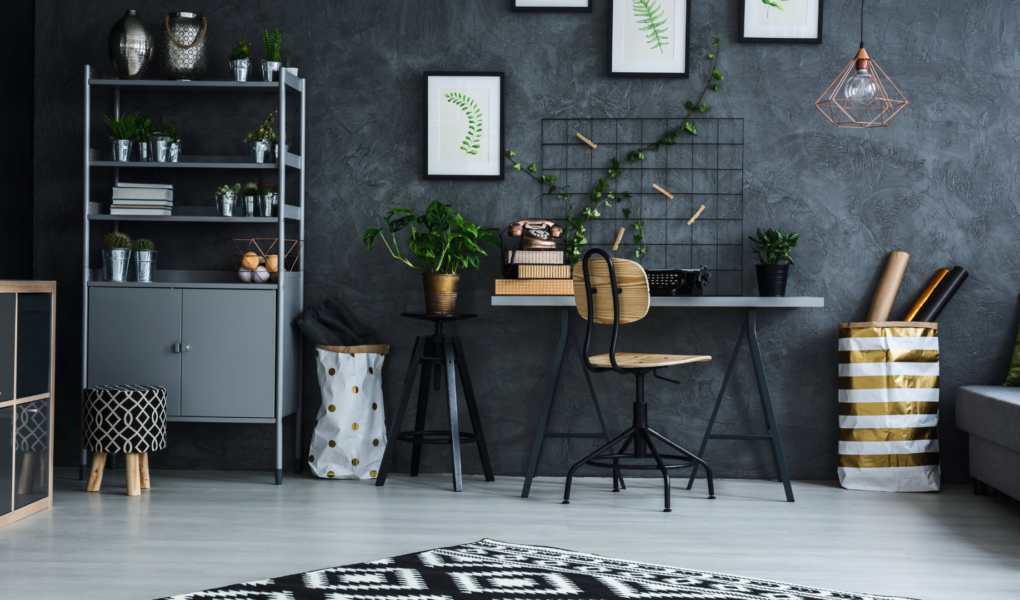
Vertical space is often underutilized in many homes. Shelving units that extend from floor to ceiling maximize storage while keeping the footprint minimal. Installing wall-mounted shelves allows for a display of decorative items and books without cluttering surfaces.
Consider using tall bookcases and cabinets to draw the eye upward, creating an illusion of height in the room. This strategy not only opens up the floor area but also showcases the homeowner’s personal style through creative organization.
Implementing Adaptable Furniture
Adaptable furniture can be reconfigured based on changing needs. Furniture such as modular sofas allows for various arrangements, accommodating both small gatherings and larger social events. Pieces that can be reconfigured help maintain an inviting atmosphere.
Additionally, look for items like foldable desks or extendable dining tables that adjust in size. These solutions cater to different activities, ensuring that the space remains functional while preserving comfort. Investing in adaptable furniture ensures flexibility in everyday life.
Maximizing Storage and Organization
Effective storage and organization can transform a multifunctional living space. By implementing hidden storage solutions, selecting multipurpose furniture, and integrating seamless connectivity, one can create a clutter-free environment that maximizes every square foot.
Hidden Storage Solutions
Incorporating hidden storage is key to maintaining a tidy and efficient living space. Utilizing areas such as under the bed or behind walls provides excellent opportunities to conceal items that are not frequently used.
- Built-In Cabinets: These can blend seamlessly with walls, providing storage without taking up additional space.
- Under-Stair Storage: Perfect for stairs that are not purely decorative, this space can house books, shoes, or seasonal decorations.
- Ottomans with Storage: These create versatile seating while allowing the stashing of magazines, blankets, or gaming equipment.
Using these hidden storage options helps keep the environment organized without sacrificing aesthetics.
Multipurpose Furniture Selection
Choosing furniture designed for multiple uses enhances functionality. Each piece should serve more than one purpose, making the space adaptable to various needs.
- Sofa Beds: They offer comfortable seating by day and transform into sleeping surfaces by night.
- Expandable Dining Tables: Perfect for small areas, they can be scaled up for gatherings and shrunk back down for daily use.
- Desks with Detachable Components: These can offer workspace while easily converting to a smaller footprint when not in use.
This strategic selection can streamline daily activities and maximize the utility of every item.
Seamless Connectivity Integration
In a multifunctional living space, technology plays a crucial role in enhancing organization. Integrating smart devices ensures seamless connectivity while promoting efficiency.
- Smart Storage Solutions: Items like connected cabinets can alert users when supplies are low, optimizing inventory management.
- Wireless Charging Stations: Integrating these into coffee tables or nightstands minimizes cable clutter.
- Multi-Device Workstations: These can accommodate laptops, tablets, and phones, enabling an organized tech area.
By embedding connectivity into the layout, the space transforms into a cohesive environment conducive to both work and leisure.
Specialized Functional Areas
Creating specialized functional areas within a multifunctional living space maximizes usability and comfort. This approach allows individuals to tailor their spaces to meet diverse needs, whether for work, rest, exercise, or leisure.
Designing a Home Office
A home office should balance functionality and comfort. Selecting a dedicated space with sufficient natural light enhances productivity. Choosing ergonomic furniture, such as an adjustable chair and a spacious desk, fosters a healthy work environment.
Incorporating smart storage solutions, like wall-mounted shelves or filing cabinets, helps organize documents and supplies. Personal touches, such as artwork or plants, can make the space inviting. To ensure versatility, consider a design that allows easy transformation into a guest room, using a fold-out couch or Murphy bed.
Creating a Cozy Bedroom
A cozy bedroom promotes relaxation and restful sleep. Soft lighting is essential; Bedside Reading Lights with dimmers can create a tranquil atmosphere as well as promote healthy reading habits. Furthermore, choosing a calming color palette, such as soft blues or muted greens, helps to create a serene environment.
Selecting high-quality bedding and layered textiles adds comfort and aesthetic appeal. Consider multifunctional furniture, like a bedside table with charging ports or storage drawers. Overall, ensure the space feels personal by adding photos or favorite books, enhancing its warmth and inviting nature.
Integrating a Home Gym
A home gym can be designed seamlessly within limited space. Start by selecting versatile equipment that supports a variety of workouts, such as resistance bands, adjustable weights, and a foldable exercise mat.
Utilizing vertical space for storage keeps the area organized. Wall-mounted racks can hold yoga mats and equipment. Good ventilation and mirrors improve the environment, making workouts more enjoyable. Adding smart technology, such as fitness apps or smart speakers, can also enhance the workout experience, motivating individuals to stay active.
Establishing a Reading Nook
A reading nook encourages relaxation and personal time. Positioning it near a window allows natural light to illuminate the space. Comfortable seating, like a plush armchair or bean bag, invites long reading sessions. For those seeking a peaceful, light-filled environment that supports multiple uses, incorporating a sunroom into your home design can be a versatile solution. Homeowners might consider exploring Sunroom Additions in Ottawa, ON or closer to your local area, as a way to create a multifunctional space that blends comfort, light, and flexibility. Such an addition can easily serve as both a quiet reading retreat and a relaxing extension of your living area.
Incorporating a small bookshelf or a side table for drinks creates a functional area. Soft throws and cushions enhance comfort. To personalize this nook, adding a small lamp for evening reading and a few favorite books can transform it into a true retreat for readers.
Enhancing the Living Environment
A well-designed living environment prioritizes natural light and effectively merges indoor and outdoor spaces. These elements contribute significantly to comfort and functionality in multifunctional living areas.
Apart from lighting, indoor air quality and the temperature of the room matter a lot. Investing in a quality air conditioning system helps in cooling the environment, along with humidity control and air filtration. Or, if you already have an AC but it needs a push, consulting with experts similar to this Chesterfield MO AC repair or elsewhere can help you revive your system to its full potential. Similarly, investing in an indoor heating system is as crucial as an AC. It can help keep you warm in winter.
Optimizing Natural Light
Maximizing natural light can transform a living space. Large windows and strategically placed mirrors can amplify sunlight, making rooms feel larger and more inviting.
Choosing lighter colors for walls and furnishings enhances brightness. Additionally, incorporating skylights can introduce light from above, creating a warm atmosphere.
Tips for Optimizing Natural Light:
- Use sheer curtains to allow light while maintaining privacy.
- Place mirrors opposite windows to reflect light back into the room.
- Opt for light-colored furniture to maximize the effect of available sunlight.
These adjustments not only improve aesthetics but also influence mood, promoting a sense of well-being.
Blending Indoor and Outdoor Spaces
Creating a seamless transition between indoor and outdoor areas enhances the living experience. Folding or sliding glass doors can open directly to patios or gardens, blending the two environments.
Outdoor furniture that complements indoor styling encourages the use of these spaces for relaxation or gatherings.
Key Aspects to Consider:
- Consistent color schemes between indoor and outdoor areas create visual unity.
- Landscaping should frame views from inside the home, drawing attention to outdoor beauty.
- Lighting for outdoor spaces, like string lights, enhances ambiance both day and night.
These strategies promote a harmonious living experience and expand usable space, ideal for multifunctional designs.