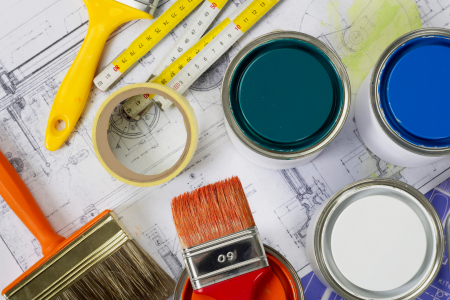

Making Big Changes at Home Without Losing Your Mind

Home improvement projects can be super exciting. New floors, fresh paint, an updated kitchen—who wouldn’t want that? But there’s also a not-so-fun side. Things get messy fast, routines get flipped upside down, and suddenly the house feels more like a construction zone than a home. The good news? With the right prep and a few smart decisions, big changes don’t have to turn into a big headache.

Here’s a down-to-earth guide to getting through home projects without losing it.

Start with a Real Plan (Not Just an Idea)

It’s easy to picture how amazing everything will look when it’s finished. But before anything gets ripped out or painted over, there needs to be an actual plan. Not a rough sketch. Not just a Pinterest board. A real step-by-step breakdown.

That means figuring out the timeline, who’s doing the work, what materials are needed, and how much everything is going to cost. Even smaller projects, like redoing a bathroom or fixing the backyard, can spiral if there’s no structure in place.

Planning also includes deciding where everything will go when the work starts. Furniture might need to be moved, pets may need a quiet space, and certain areas of the house might be off-limits for a while. Thinking through all of this before getting started makes a huge difference.

Expect a Mess (But Don’t Let It Take Over)

Even neat projects turn messy fast. Dust spreads, tools pile up, and packaging takes over every flat surface. That’s why it’s smart to set up a clean-up zone early on.

And when the junk starts to build up—old flooring, broken cabinets, ripped-out drywall—it doesn’t take long before the garage or driveway gets overloaded. Instead of making endless trips to the dump or leaving things sitting for weeks, it’s a good idea to consider something like wasteremovalusa.com to take care of the mess. Services like these can drop off a dumpster, and once it’s full, they haul it away. It’s one less thing to worry about when everything else feels chaotic.

Having a waste plan from the start helps keep the home from turning into a junk pile halfway through the project.

Keep One Space Chaos-Free

When every room feels torn apart, it’s hard to feel relaxed at all. That’s why it helps to keep at least one part of the house untouched. It could be a bedroom, a small den, or even just a corner with a comfy chair. Somewhere to sit, chill, and breathe for a minute.

It doesn’t need to be fancy. Just a calm space that stays clean and functional, especially when the rest of the house is a disaster zone. It’s not just about comfort—it also makes it easier to keep stress in check.

Stick to the Timeline (But Be Ready for Delays)

Every project has a timeline. But no matter how carefully everything is planned, something usually gets delayed. A delivery shows up late, a part breaks, or the weather decides not to cooperate.

Instead of panicking when things don’t go perfectly, it helps to build in a little extra time from the start. If a kitchen remodel should take two weeks, assume it might take three. That way, if things do get delayed, it’s not a total surprise.

Having a timeline written out—even if it’s just on a whiteboard or a phone calendar—makes it easier to see what’s next and track progress. And when something changes, it’s easier to adjust without feeling totally thrown off.

Communicate With Everyone Involved

If there’s a contractor or team helping out, regular check-ins are key. It doesn’t have to be anything formal. Just quick updates to make sure everyone’s on the same page.

If someone in the household is doing the work, it’s still important to keep everyone else informed. That means letting family or roommates know which rooms are off-limits, when water or power might be shut off, or what parts of the house are safe to use.

Clear communication helps avoid surprises and keeps things running smoother. It also prevents arguments, especially if people are trying to work, sleep, or study while the project is going on.

Don’t Try to Do Everything at Once

Trying to tackle the kitchen, bathroom, and backyard all at the same time? That’s a fast way to burn out. It’s way better to do one project at a time—or at least finish one area before jumping into the next.

It might feel slower, but it’s actually less stressful. Plus, it gives a chance to fix mistakes, figure out what works, and adjust plans for the next stage. There’s no rule that says everything has to be done in one weekend or even one month.

Spreading things out also makes it easier to manage money, time, and energy. Big changes are great—but they’re not worth losing sleep or getting overwhelmed over.

Take Breaks (Seriously)

Working non-stop, especially on a DIY project, can make even fun upgrades feel like a job. That’s why breaks are important.

Just taking a few minutes to get fresh air, grab a snack, or relax with a show can help reset the brain and keep energy levels up. If it’s a longer project, taking a whole day off from work now and then can help avoid burnout completely.

Breaks don’t slow down the project—they help it go smoother.

Celebrate the Wins Along the Way

Even if the project isn’t fully done, it’s okay to celebrate the small wins. Maybe the new lighting is finally in, or the old cabinets are out. These little victories add up, and they’re a good reminder that progress is happening—even if the place still looks half-finished.

Take a photo, order takeout, invite a friend over to see the progress. Not everything has to be perfect to be worth celebrating.

What to Keep in Mind

Big home projects always bring some level of chaos. But with a solid plan, the right support, and a little bit of patience, it doesn’t have to feel overwhelming. Setting up a waste strategy early, keeping one clean space, and taking breaks all help make things way more manageable.

When the dust settles (literally), it’s all worth it—and way less stressful if the chaos didn’t take over everything along the way.

So, next time a big home improvement idea comes up, remember: plan smart, pace yourself, and don’t forget to breathe.
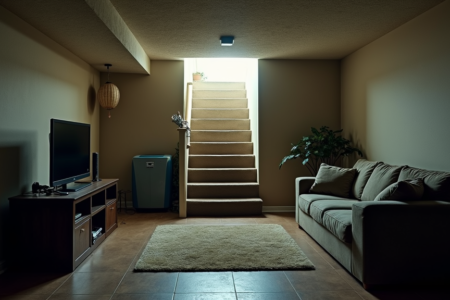
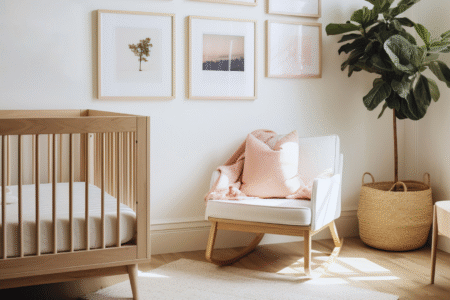
 

Why Your Basement Might Be Making You Tired

Have you ever gone downstairs to grab something and come back up feeling weirdly sleepy? Maybe your eyes sting a bit, your nose gets stuffy, or you just feel kind of “off.” It might not be your imagination—and it might not just be because basements are dark and kind of creepy. There’s actually a reason your basement could be messing with your energy levels, and it has to do with what’s hiding in the air down there.

Let’s break it down.

The Basement Isn’t Just Dusty—It’s Damp

Most basements aren’t exactly dry and cozy. They’re often the coldest, dampest part of the house. Rainwater leaks in through cracks. Pipes drip. Sometimes, it’s just humidity from outside air getting trapped with nowhere to go. When moisture hangs around too long, it creates the perfect place for mold to grow.

Mold doesn’t care if your basement is finished or just a storage space full of old holiday decorations. All it needs is moisture, darkness, and something to grow on—like wood, drywall, carpet, or even cardboard boxes. Once it’s there, it spreads fast.

And here’s the thing: mold doesn’t just sit there doing nothing. It releases tiny particles into the air. These particles are called spores, and breathing them in can cause problems—especially if you’re sensitive to them.

If you’re already wondering whether this might be happening in your own home, it might be a good idea to look into Mold Remediation services. They can check out what’s really going on and help get things back to normal if there’s a serious issue.

What Mold Does to Your Body (Even If You Don’t See It)

You don’t have to see black spots on the wall to be affected by mold. A lot of times, it hides behind paint or under flooring. But your body still notices. Breathing in mold spores can mess with your system in all kinds of ways. Some people get itchy eyes or sneezing fits. Others feel dizzy, nauseous, or really drained of energy.

One of the most common effects? Feeling tired all the time. And it’s not regular tired—it’s the kind that makes it hard to focus or stay awake, even after a full night’s sleep.

That’s because mold affects your immune system. Your body is constantly fighting it, even if you don’t know it’s happening. That low-level battle can leave you feeling wiped out.

And get this: mold also messes with your breathing. It can cause tightness in the chest or even asthma-like symptoms. If your lungs aren’t getting enough clean air, your body has to work harder just to function. That uses up energy fast.

Why Basements Are the Perfect Place for Trouble

Here’s why basements are one of the worst places for mold to hang out:

  • They’re usually cooler than the rest of the house, so moisture doesn’t dry out quickly.
  • They often have poor airflow, so air gets trapped.
  • People don’t go down there as often, so problems can grow without anyone noticing.

All of this creates a mold playground. And if your bedroom, game room, or home office is in or above the basement, you’re breathing in that air more than you think.

Even walking through it to do laundry or grab something can stir up spores and send them into the rest of the house.

Other Sneaky Reasons a Basement Can Mess With You

Mold isn’t the only problem. Basements can also collect radon—a gas that comes from the ground and sometimes gets trapped indoors. It’s odorless and invisible, but it can cause serious health problems over time. It’s even linked to lung cancer.

Then there’s carbon monoxide. If you have a gas furnace or water heater in the basement and something’s not venting right, this gas can build up slowly. Low levels won’t knock you out right away, but they can make you feel dizzy, foggy, or super tired.

Dust, pet dander, and even old insulation can also mess with the air. If you ever feel fine upstairs but weirdly off downstairs, that’s probably not a coincidence.

What You Can Do Without Going Full Renovation Mode

Not everyone can tear out walls and start over, but there are easy ways to make your basement healthier.

  • Use a dehumidifier. This pulls moisture out of the air so mold doesn’t stand a chance.
  • Check for leaks. Even tiny ones from windows, pipes, or cracks can create big moisture problems.
  • Clean smarter. Vacuuming with a HEPA filter and using mold-killing products can keep things in check.
  • Open the space up. If possible, let air flow in from windows or vents. Even using a fan can help.

If the smell is musty or weird and nothing seems to fix it, that’s a big sign something’s going on behind the scenes. That’s when calling in someone who knows about mold isn’t overreacting—it’s smart.

When to Take Things Seriously

If anyone in the house has allergies, asthma, or a condition that affects their breathing, even small amounts of mold can be a big deal. Same goes if people keep getting sick with no clear reason. Mold might not be the only cause, but it’s a common one that gets ignored.

Some signs it’s time to get help:

  • People in the house are always sneezing, coughing, or getting headaches.
  • You keep wiping up wet spots that come back.
  • There’s a smell you can’t get rid of, even after cleaning.
  • You’ve had flooding or water damage in the past and never really checked for mold afterward.

What to Remember (So You Don’t Just Ignore It Again)

Basements might feel chill and quiet, but what’s going on down there can have a real impact. Mold, moisture, and poor air can totally mess with how you feel, even if you only spend a little time there. That tired feeling might not be from school, sports, or screen time. It could be the air you’re breathing at home.

The good news is that it’s fixable. Even small changes make a big difference. And if it turns out there’s more going on than expected, there are experts who can handle it safely.

So, the next time you go downstairs and come back up feeling weird, don’t just brush it off. Your body might be trying to tell you something. Listen to it.

Cost-Effective Ways to Set Up a Nursery: Smart Strategies for Budget-Friendly Planning

Setting up a nursery can often feel overwhelming, especially when considering the associated costs. Many parents want to create a beautiful and functional space for their newborns without breaking the bank. Cost-effective ways to set up a nursery include prioritizing essential items, repurposing furniture, and shopping secondhand for decor.

Thinking creatively can lead to significant savings. For instance, choosing a multifunctional crib that converts into a toddler bed eliminates the need for separate purchases later. Additionally, DIY projects can add a personal touch while keeping expenditures low.

Budget-friendly solutions do not mean sacrificing style or quality. With careful planning and smart shopping, it is possible to design a nursery that is both affordable and aesthetically pleasing, making it a welcoming environment for the new addition to the family.

Planning a Cost-Effective Nursery Layout

Creating an efficient nursery layout requires careful planning. By setting a budget, choosing a gender-neutral design, and maximizing available space, parents can achieve an inviting and functional environment for their baby.

Setting a Realistic Nursery Budget

Establishing a clear budget is vital. Parents should start by listing essential items, such as a crib, changing table, and storage solutions.

  • Prioritize Needs: Focus on necessities first.
  • Estimate Costs: Use local retail prices to estimate total expenses.
  • Unexpected Expenses: Allocate a small portion for unforeseen costs, like decor or accessories.

Researching sales and utilizing discount retailers can significantly reduce expenses. It’s also beneficial to consider second-hand options, which can offer quality items at a fraction of the price.

Choosing a Gender-Neutral Nursery Design

A gender-neutral nursery design provides versatility. Parents can select colors and themes that suit any baby, creating a calm and welcoming space.

  • Color Palette: Choose soft yellows, greens, or grays instead of traditional pinks or blues.
  • Decals and Artwork: Incorporate gender-neutral themes, such as animals or nature.
  • Furniture Selection: Opt for versatile furniture that can be used as the child grows, like a convertible crib.

This approach not only saves money but also allows future updates without a complete redesign.

Finding the Best Lighting

There’s no need to splurge on expensive lighting fixtures when setting up a nursery. Simple, thoughtful choices can create a warm and cozy space without overspending.

  • Maximize Daylight: Placing the crib and play area near windows allows natural sunlight to gently brighten the room, creating a cheerful and soothing atmosphere for the baby. Sunlight can also help regulate the baby’s sleep-wake cycle naturally. Just be sure to use light-filtering curtains to soften direct rays and maintain comfort throughout the day.
  • Window Treatments: Choosing the right window treatments, like light-filtering curtains or simple Custom Blinds can manage sunlight while keeping the nursery warm and inviting. For nap times, blackout shades or soft shutters work well to block out excess light and create a peaceful sleep environment. This balance between brightness and comfort makes the room more functional throughout the day.
  • Soft Night Lighting: Opting for dimmable LED night lights is a smart way to create a gentle, soothing glow during nighttime feedings or diaper changes. These lights offer enough visibility for parents without disrupting the baby’s sleep. The adjustable brightness helps maintain a calm environment and prevents overstimulation.

With thoughtful lighting choices and smart use of natural light, a nursery can be both practical and peaceful, providing a nurturing space for the baby and a comforting environment for parents.

Beyond fixtures and curtains, consider how tailored window coverings can improve nap quality and room comfort. Made-to-measure options minimise gaps and light seepage while offering better insulation, which helps keep temperatures steady for sleeping babies.

For parents who prioritise safety and precise fitting, Bespoke window shutters can provide a cordless, easy-to-clean solution that also enhances privacy and light control. Choosing the right covering can make daytime naps more reliable without sacrificing the nursery’s style.

Maximizing Small Nursery Spaces

For parents with limited room, efficient use of space is essential.

  • Multi-Functional Furniture: Select a crib with built-in storage or a changing table that doubles as a dresser.
  • Vertical Space: Utilize wall shelves for books and toys, keeping floors clear.
  • Organizational Solutions: Invest in bins and baskets for easy access to baby essentials without clutter.

With thoughtful planning, even the smallest nursery can be functional and stylish.

Prioritizing Nursery Safety

Creating a safe nursery environment is one of the most important aspects of preparing for a new baby.

  • Electrical Safety: Outlet covers should be placed on all unused sockets to prevent accidental contact. Cords from blinds, lamps, or monitors must be secured and kept out of reach. Cordless window coverings are a safer alternative to reduce strangulation hazards.
  • Safe Flooring: Waterproof vinyl flooring offers a practical choice when it comes to reducing the risk of slips and falls, especially in spaces designed for babies. For a proper fit and finish, reaching out to professionals who specialise in waterproof vinyl flooring Buford, GA, or elsewhere, can help ensure quality installation. Also, adding non-slip rugs or carpets on top can provide an extra layer of comfort and protection as little ones begin to explore on hands and knees.
  • Non-Toxic Materials: Low-VOC paints, untreated wood furniture, and organic fabrics are healthier choices for a nursery environment. These materials help reduce exposure to chemicals and fumes that may affect a baby’s sensitive system. Prioritizing safer options supports better indoor air quality and overall well-being.

Careful attention to these safety considerations ensures the nursery is not only beautiful and functional, but also secure and supportive for the baby’s first months and years.

Beyond these visible safety measures, it’s equally important to pay attention to the home’s air system. Regular inspections and servicing of the heating, ventilation, and air conditioning system help maintain clean, healthy air in the nursery. A well-kept system prevents dust buildup, mold growth, and poor humidity control, all of which can affect a baby’s breathing and comfort.

Routine tune-ups also improve energy efficiency, meaning the system doesn’t have to work as hard to regulate temperature, saving on utility bills and reducing the risk of costly repairs down the road. This makes HVAC maintenance not only a safeguard for health but also a smart, cost-effective choice for long-term home care. For reliable service, companies like Platinum Air Heating & Cooling can provide the expertise needed to keep everything running smoothly.

Affordable Nursery Furniture Essentials

Creating a functional and stylish nursery doesn’t have to come with a hefty price tag. Focused shopping and smart choices can lead to significant savings on essential nursery furniture.

Where to Find Budget-Friendly Cribs

When searching for affordable cribs, consider looking at second-hand options. Websites and apps like Facebook Marketplace, Craigslist, and OfferUp often feature gently-used cribs at a fraction of the original price.

Retailers known for budget-friendly cribs include:

  • IKEA: Offers modern designs with safety features at lower prices.
  • Target: Frequently has sales and promotions on baby furniture.
  • Walmart: Stocks a variety of affordable options with good reviews.

Make sure any crib meets current safety standards. Check for recalls and inspect the condition to ensure it’s safe for the baby.

Selecting a Cost-Effective Changing Table

A changing table is essential for any nursery, but it doesn’t need to be pricey. Many parents opt for dressers with a changing pad on top. This dual-purpose approach saves money and space.

Consider these options for budget-friendly changing tables:

  • IKEA: Known for economical designs that maximize the use of space.
  • Online marketplaces: Like Amazon and Wayfair, often have sales on changing tables.
  • DIY solutions: Repurposing a sturdy dresser can be both cost-effective and stylish.

Ensure the changing table has safety straps and storage options for baby gear and diapers, which adds convenience while saving money.

Choosing a Multipurpose Rocking Chair

A rocking chair or glider provides comfort during feeding and soothing sessions. Opting for a multipurpose chair can maximize space and budget.

Look for features like:

  • Sturdy construction: Ensures safety and longevity.
  • Removable cushions: Easier cleaning for spills and messes.
  • Compact design: Ideal for smaller nurseries while still providing comfort.

Retailers such as Target, IKEA, and even thrift shops can offer affordable options. A gentle rocking chair can also serve as a cozy reading spot as the child grows.

Saving on Nursery Accessories and Decor

Creating an appealing nursery does not have to strain the budget. There are numerous affordable ways to add personality and functionality to the space through decor and accessories.

Inexpensive Gallery Wall Ideas

A gallery wall can add character without high costs. Parents can curate a mix of personal photos and artwork.

  • DIY Artwork: Use prints from online resources or let children create their own pieces.
  • Frame Options: Thrift stores often have inexpensive frames. These can be painted or left as is for a quirky touch.
  • Varied Sizes: Mixing frame sizes and styles creates interest without requiring uniformity.

This approach allows for personal expression and can be changed as the child grows.

Affordable Stuffed Animals and Toys

Stuffed animals are a staple in any nursery, but they don’t need to be costly. Finding affordable options can contribute to a cheerful environment.

  • Second-Hand Finds: Stores and online marketplaces often have gently used stuffed animals at a fraction of the retail price.
  • Sales and Discounts: Keeping an eye on holiday sales can lead to significant savings.
  • DIY Stuffed Toys: For those who are crafty, making stuffed animals from fabric scraps is a meaningful and budget-conscious option.

Opting for a few well-placed toys can also reduce clutter, making the nursery feel more organized.

Cost-Effective Decorative Storage Solutions

Storage is vital in a nursery, and there are many creative ways to make it both practical and stylish.

  • Baskets: Using wicker or fabric baskets can keep toys organized. These can often be found at low prices at discount stores.
  • Shelves: Wall-mounted shelves are functional and reduce floor clutter. They can hold decorative items and books within easy reach.
  • Multi-functional Furniture: Furniture with built-in storage, such as benches or ottomans, provides extra space while serving a dual purpose.

Using smart storage solutions can make a space feel larger and more functional without a hefty investment.

Smart Strategies for Everyday Nursery Savings

Effective nursery savings can be achieved through careful planning and resourcefulness. By focusing on bulk purchases, secondhand options, and DIY projects, parents can significantly reduce expenses while ensuring their baby’s needs are met.

Buying Diapers in Bulk

Diapers are a major expense in any nursery. Purchasing them in bulk offers substantial savings.

  • Store Promotions: Many retailers provide discounts when buying larger quantities. Look for sales events and clearance items.
  • Subscriptions: Some companies offer diaper subscription services that deliver diapers at a discount. This often includes free shipping.
  • Generic Brands: Consider opting for store-brand diapers. They frequently have a similar quality to name brands at a reduced cost.

Budgeting for these purchases can further enhance savings, making diapering more cost-effective.

Embracing Secondhand Baby Gear

Baby gear can be incredibly pricey, but secondhand options provide an economical alternative.

  • Local Marketplaces: Websites and local groups often feature gently used baby items. This includes cribs, strollers, and toys.
  • Consignment Shops: These stores specialize in selling secondhand baby gear at lower prices. They also offer the advantage of inspecting items for quality.
  • Safety Standards: It’s essential to check that all gear meets current safety standards. This ensures that both savings and safety are prioritized.

Spending money wisely on baby gear can lead to significant savings without sacrificing quality.

DIY Nursery Projects for Cost Savings

Creating a nursery doesn’t have to mean high costs. DIY projects can add a personal touch and save money.

  • Decorative Items: Parents can make their own wall art or mobiles using inexpensive materials. This allows for creativity while keeping costs low.
  • Furniture Upcycling: Repurposing or refurbishing old furniture reduces costs significantly compared to buying new items. A coat of paint or new hardware can transform a piece.
  • Educative Projects: Crafting not only saves money but also offers an opportunity to bond with family members involved in the creation.

DIY projects enable parents to design a unique space tailored to their baby’s needs while remaining mindful of expenses.

Design Multifunctional Living Space: Maximizing Utility and Comfort in Your Home

Creating a multifunctional living space is essential in today’s compact living environments. This design approach maximizes utility without sacrificing comfort or style, allowing individuals to adapt their homes to various needs. For some, that means working within the limits of their current space – but others may choose to build a home tailored to their lifestyle from the start. Partnering with a professional building company like https://www.trigeneralcontractors.com/ allows homeowners to design flexible layouts and purpose-driven spaces that support modern living. By using furniture that serves multiple purposes and incorporating smart architectural planning, one can transform limited square footage into versatile areas that enhance everyday living.

Interior design plays a crucial role in achieving these multifunctional spaces. Thoughtful selections of color, texture, and furniture can create an inviting atmosphere, making it easier for residents to navigate different activities throughout the day. Integrating smart storage solutions also ensures that spaces remain organized and functional, further emphasizing efficiency in design.

Incorporating multifunctional elements can elevate not only the functionality of a home but also its aesthetic appeal. Homeowners are increasingly looking for innovative ways to blend work, relaxation, and entertainment within a single space, reflecting the evolving dynamics of modern living. By embracing these principles, they can cultivate an environment that meets diverse lifestyle demands.

Designing for Flexibility

Creating a flexible living space involves careful selection of furniture and maximizing the available area. Strategies like incorporating multifunctional furniture and utilizing vertical space play essential roles in achieving this goal.

Incorporating Multifunctional Furniture

Multifunctional furniture serves more than one purpose, making it ideal for small or versatile living spaces. For instance, a sofa bed can transform a living room into a guest bedroom. Likewise, ottomans that provide storage can double as extra seating.

When choosing multifunctional pieces, consider innovative designs such as coffee tables with lift tops that reveal hidden storage or dining tables that expand for gatherings. Selecting furniture that adapts to different needs enhances utility while maintaining aesthetic appeal.

Utilizing Vertical Space Effectively

Vertical space is often underutilized in many homes. Shelving units that extend from floor to ceiling maximize storage while keeping the footprint minimal. Installing wall-mounted shelves allows for a display of decorative items and books without cluttering surfaces.

Consider using tall bookcases and cabinets to draw the eye upward, creating an illusion of height in the room. This strategy not only opens up the floor area but also showcases the homeowner’s personal style through creative organization.

Implementing Adaptable Furniture

Adaptable furniture can be reconfigured based on changing needs. Furniture such as modular sofas allows for various arrangements, accommodating both small gatherings and larger social events. Pieces that can be reconfigured help maintain an inviting atmosphere.

Additionally, look for items like foldable desks or extendable dining tables that adjust in size. These solutions cater to different activities, ensuring that the space remains functional while preserving comfort. Investing in adaptable furniture ensures flexibility in everyday life.

Maximizing Storage and Organization

Effective storage and organization can transform a multifunctional living space. By implementing hidden storage solutions, selecting multipurpose furniture, and integrating seamless connectivity, one can create a clutter-free environment that maximizes every square foot.

Hidden Storage Solutions

Incorporating hidden storage is key to maintaining a tidy and efficient living space. Utilizing areas such as under the bed or behind walls provides excellent opportunities to conceal items that are not frequently used.

  • Built-In Cabinets: These can blend seamlessly with walls, providing storage without taking up additional space.
  • Under-Stair Storage: Perfect for stairs that are not purely decorative, this space can house books, shoes, or seasonal decorations.
  • Ottomans with Storage: These create versatile seating while allowing the stashing of magazines, blankets, or gaming equipment.

Using these hidden storage options helps keep the environment organized without sacrificing aesthetics.

Multipurpose Furniture Selection

Choosing furniture designed for multiple uses enhances functionality. Each piece should serve more than one purpose, making the space adaptable to various needs.

  • Sofa Beds: They offer comfortable seating by day and transform into sleeping surfaces by night.
  • Expandable Dining Tables: Perfect for small areas, they can be scaled up for gatherings and shrunk back down for daily use.
  • Desks with Detachable Components: These can offer workspace while easily converting to a smaller footprint when not in use.

This strategic selection can streamline daily activities and maximize the utility of every item.

Seamless Connectivity Integration

In a multifunctional living space, technology plays a crucial role in enhancing organization. Integrating smart devices ensures seamless connectivity while promoting efficiency.

  • Smart Storage Solutions: Items like connected cabinets can alert users when supplies are low, optimizing inventory management.
  • Wireless Charging Stations: Integrating these into coffee tables or nightstands minimizes cable clutter.
  • Multi-Device Workstations: These can accommodate laptops, tablets, and phones, enabling an organized tech area.

By embedding connectivity into the layout, the space transforms into a cohesive environment conducive to both work and leisure.

Specialized Functional Areas

Creating specialized functional areas within a multifunctional living space maximizes usability and comfort. This approach allows individuals to tailor their spaces to meet diverse needs, whether for work, rest, exercise, or leisure.

Designing a Home Office

A home office should balance functionality and comfort. Selecting a dedicated space with sufficient natural light enhances productivity. Choosing ergonomic furniture, such as an adjustable chair and a spacious desk, fosters a healthy work environment.

Incorporating smart storage solutions, like wall-mounted shelves or filing cabinets, helps organize documents and supplies. Personal touches, such as artwork or plants, can make the space inviting. To ensure versatility, consider a design that allows easy transformation into a guest room, using a fold-out couch or Murphy bed.

Creating a Cozy Bedroom

A cozy bedroom promotes relaxation and restful sleep. Soft lighting is essential; Bedside Reading Lights with dimmers can create a tranquil atmosphere as well as promote healthy reading habits. Furthermore, choosing a calming color palette, such as soft blues or muted greens, helps to create a serene environment.

Selecting high-quality bedding and layered textiles adds comfort and aesthetic appeal. Consider multifunctional furniture, like a bedside table with charging ports or storage drawers. Overall, ensure the space feels personal by adding photos or favorite books, enhancing its warmth and inviting nature.

Integrating a Home Gym

A home gym can be designed seamlessly within limited space. Start by selecting versatile equipment that supports a variety of workouts, such as resistance bands, adjustable weights, and a foldable exercise mat.

Utilizing vertical space for storage keeps the area organized. Wall-mounted racks can hold yoga mats and equipment. Good ventilation and mirrors improve the environment, making workouts more enjoyable. Adding smart technology, such as fitness apps or smart speakers, can also enhance the workout experience, motivating individuals to stay active.

Establishing a Reading Nook

A reading nook encourages relaxation and personal time. Positioning it near a window allows natural light to illuminate the space. Comfortable seating, like a plush armchair or bean bag, invites long reading sessions. For those seeking a peaceful, light-filled environment that supports multiple uses, incorporating a sunroom into your home design can be a versatile solution. Homeowners might consider exploring Sunroom Additions in Ottawa, ON or closer to your local area, as a way to create a multifunctional space that blends comfort, light, and flexibility. Such an addition can easily serve as both a quiet reading retreat and a relaxing extension of your living area.

Incorporating a small bookshelf or a side table for drinks creates a functional area. Soft throws and cushions enhance comfort. To personalize this nook, adding a small lamp for evening reading and a few favorite books can transform it into a true retreat for readers.

Enhancing the Living Environment

A well-designed living environment prioritizes natural light and effectively merges indoor and outdoor spaces. These elements contribute significantly to comfort and functionality in multifunctional living areas.

Apart from lighting, indoor air quality and the temperature of the room matter a lot. Investing in a quality air conditioning system helps in cooling the environment, along with humidity control and air filtration. Or, if you already have an AC but it needs a push, consulting with experts similar to this Chesterfield MO AC repair or elsewhere can help you revive your system to its full potential. Similarly, investing in an indoor heating system is as crucial as an AC. It can help keep you warm in winter.

Optimizing Natural Light

Maximizing natural light can transform a living space. Large windows and strategically placed mirrors can amplify sunlight, making rooms feel larger and more inviting.

Choosing lighter colors for walls and furnishings enhances brightness. Additionally, incorporating skylights can introduce light from above, creating a warm atmosphere.

Tips for Optimizing Natural Light:

  • Use sheer curtains to allow light while maintaining privacy.
  • Place mirrors opposite windows to reflect light back into the room.
  • Opt for light-colored furniture to maximize the effect of available sunlight.

These adjustments not only improve aesthetics but also influence mood, promoting a sense of well-being.

Blending Indoor and Outdoor Spaces

Creating a seamless transition between indoor and outdoor areas enhances the living experience. Folding or sliding glass doors can open directly to patios or gardens, blending the two environments.

Outdoor furniture that complements indoor styling encourages the use of these spaces for relaxation or gatherings.

Key Aspects to Consider:

  • Consistent color schemes between indoor and outdoor areas create visual unity.
  • Landscaping should frame views from inside the home, drawing attention to outdoor beauty.
  • Lighting for outdoor spaces, like string lights, enhances ambiance both day and night.

These strategies promote a harmonious living experience and expand usable space, ideal for multifunctional designs.

5 Quick Tips to Make Your Basement a Perfect Storage Space

Do you have a basement? Are you wondering what you can do to make it more efficient? Sometimes it’s difficult to find ways to make the best use of our space, especially if you’re one who uses it to store old stuff in addition to other hoarded items.

If you don’t have the habit of maintaining your basement, there are chances that it is run-down, and has plenty of issues, such as leaking pipes, mold growth, and rats running about. A predicament such as that might need you to consider vulcan basement remodeling, or a similar renovation service. This might help restore the original look of your basement, or design it based on your preferences.

But if you decide to take on the basement refurbishing task on your own, we will provide some quick tips to help you make it an excellent storage space.

1. Organizing Is Key

Organizing your basement is the key to making it the perfect storage space. Start organizing it by purging and decluttering. Get rid of anything you don’t need or use anymore, likely by giving it off to a Junk Removal service.

Create a plan and map out your storage goals. What do you want to store in your basement? What kind of storage solutions will you need?

Invest in some good storage bins, shelves, and other organization solutions. Label everything so that you know exactly where everything is. Put everything in its place and keep your basement organized.

2. Think Vertical

By thinking vertically, you can make the most of the space available and create a custom storage solution that meets your unique needs. You can call a handyman in Taylors, SC (or a similar local professional) to install shelves along the walls. This is a great way to make use of empty wall space and add extra storage for items like boxes, bins, and more.

Hang things from the ceiling. Consider hanging unused items on the ceiling. This can free up space on your shelves for items that you use more often.

Add hooks. Hooks are a great way to store items like bikes, tools, and garden equipment. They also make it easy to grab things when you need them.

Use the space under the stairs. We often ignore this area, but it can be a brilliant spot for extra storage. Consider adding shelves or baskets to hold things like holiday decorations, out-of-season clothes, and more.

3. Get Creative With Storage Containers

One of the best ways to make your basement the perfect storage space is to get creative with a storage case. There are many granary canisters available, so you can find one that fits your needs. You can also use different types of containers to store unique items.

For example, you can use a plastic showcase to store clothes and other items that you don’t want to get wet. You can also use metal bins to store heavier items. If you are creative with your display case, you can make your basement an ideal warehouse area for anything you need to store.

4. Label Everything

Label everything in your basement storage space for quick and easy access to your belongings. This will help you stay organized and prevent items from getting lost in the shuffle. Use clear labels or markers so you can see what’s inside.

Also, be sure to date your labels so you can keep track of the items. This way, you’ll always know where everything is, and you won’t have to waste time searching for things. Another tip is to use clear storage bins, so you can see what’s inside them.

Keep things corporate and don’t let the space get too cluttered.

5. Keep It Clean and Dust-Free

One of the biggest problems with storage spaces is that they can become cluttered and dusty. Yet, there are some quick and easy tips that you can follow to help keep your basement clean and dust-free. First, keep all your storage containers clean and free of dirt and dust.

Second, sweep and vacuum your basement floor to wipe out any dust that has settled there. Third, keep any items that are susceptible to dust and dirt (such as holiday decorations) in sealed containers.

Another good tip is to avoid storing any items in your basement that could attract dust or dirt. This includes things like old clothes or newspapers.

Finally, it is also a good idea to keep your basement well-ventilated to help prevent the buildup of dust and dirt, so contact a nearby air vent cleaning team to ensure your vents are all clear and free of debris.

Follow These Quick Tips for Basement Storage

On the off chance that you’re trying to find a cellar capacity arrangement, take after these fast tips, and you’ll be on your way to a perfect space in no time. Keep your basement organized, use vertical storage, keep like items together, and use clear storage containers to make the most of your space.

And don’t forget to label everything! With a bit of cleaning and planning, you can organize your basement storage.

Are you looking for more space-saving storage tips? Check back with us daily as we post new blogs.

7 Ways to Save Money on a Bathroom Remodel

Are you thinking of remodeling your bathroom? Before you get too excited, it’s important to know how much to budget for the project. While it might still be fun to dream about your renovated bathroom, it’s important to consider the financial and emotional consequences.

The bathroom remodel of your dreams can seem like an expensive dream, but with some smart planning and research, it can actually become an affordable reality. But before you start the remodel, consider talking to an experienced Bathroom Remodeler in Chattanooga, TN (or the ones where you live) in order to have an approximate idea of how much the expenses can be. This can help you determine whether or not you can take up the project immediately.

Once you have figured this out, and are ready to dive into the remodeling project, the following tips will come in handy:

  1. Splurge on fixtures. When it comes to bathroom renovations, choosing the fixtures is one of the most important decisions you will make. The sink and toilet are important, but expensive fixtures can make a cheap bathroom look lux. A waterfall tap, for example, instantly improves a cheap sink. Also consider the towel rail, toilet roll holder, light pull, mirror, shower head, cabinets and door knobs. Cheap fixtures break easily and look bad after only a couple of months, whereas quality fixtures will last for years.
  2. Keep colors neutral. Keep the colors neutral. Using similar colors throughout will help simplify your design. For example, if your bathroom has gray concrete floor tiles, use gray and brown tones for your bathroom ceiling. For walls, think about painting in a semi-gloss finish, which helps prevent water spots. It’s also a good idea for built-in cabinets to have a frosted glass front, which helps keep the place look clean and fresh.
  3. Install an water-efficient toilet. If your home is in the process of renovation, consider replacing the toilet. Installing an water-efficient toilet in your home can save money in the long run. It utilizes less water in the tank, meaning less water is wasted because the toilet flushes less for a number one than for a number two. Saving money on the water means less expense on your water bill.
  4. Install a whirlpool tub. These whirlpool tubs are specially designed, making them easy to use and convenient to set up. Once you install one in your home, you won’t even be able to tell the difference between a regular bathtub and a whirlpool tub.
  5. Fix leaks. Few things ruin a bathroom more than a leak. Leaks lead to water damage, higher water bills and annoying drips in the middle night. To fix this, use these Brisbane plumbers or similar plumbers in your area. Whilst it costs to hire a plumber, it’s cheaper than fixing a bigger leak in the future due to your poor DIY skills.
  6. Replace old flooring. Asking yourself a few simple questions can help you determine what’s possible and what’s not. The answers will point you in the right direction when it comes to replacing old flooring for an updated look that you’ll love.
  7. Set up an emergency fund. Whether you’re thinking about renovating your bathroom or doing a complete makeover, getting the most bang for your buck is important. One way to keep your bathroom renovation costs low is by establishing an emergency fund. Many people have some amount of cash saved up for emergencies, but an emergency fund for home renovations is smart since it adds more value to your home in the long run. Plus, as you rack up the remodeling costs, the emergency fund protects you from financial ruin. If you already have savings, use them as a down payment on your bathroom renovation.

Another way to keep your bathroom renovation costs low can be by hiring the right remodeling company. Choosing a reputable and experienced company like Wilmington Remodelers (https://wilmingtonremodelers.com/) or the ones like them in your vicinity can not only ensure the quality of work but also help you save money in the long run. These remodeling firms can provide cost-effective solutions, offer discounts on materials, and avoid costly mistakes. By hiring the correct remodeling company, you can save both time and money and still achieve the desired outcome for your bathroom renovation.

Bathrooms are one of the most important rooms in any home. They’re made functional by the shower, toilet, sink, and cabinet space, but they’re also the most personal space in the home. If you’re planning a major bathroom remodel, you will want to include features that both work aesthetically and functionally. But instead of spending thousands of dollars on a bathroom makeover, consider a few affordable ways to overhaul your decor.

Additionally, while saving for bathroom remodeling, also consider other home improvement projects since the regular repairs around the house can increase the lifespan of a building. Not to forget, your house may undergo seasonal variations and sustain damages due to extreme weather conditions such as hailstorms, rain, and snowfall. In that case, it can be imperative to treat the home structure and get all the damages resolved. For instance, you may have to get other elements of your house checked to see if there is a need for wall restoration, roofing repair, home exterior and backyard designing, and more. In most cases, you may have to explore professional services such as independence mo roofing contractors for roof repair, a bathroom and plumbing company for bathroom fixture installation and replacement, or similar other experts to fix these issues. This way, once the remodeling project is complete, you won’t have to worry about any of these home repairs for some time.

Remodeling a bathroom is a major project. It’s worth investing a few thousand dollars in professional design and installation. You also should plan some time for planning. And you should hire a professional to handle the labor.

The Palette of Living: The Essential Value of Home Interior Design

Interior design often referred to as the trade of interior design, is the art of creating pleasant, functional rooms that are tailored to suit a person’s lifestyle. Interior design encompasses a number of specialties: exterior and landscape architecture, kitchen & bathroom design, and the design of furniture, fixtures, fabrics, and accessories.

Home interior decorating is a never-ending process. Homeowners are continually remodeling their living spaces, often for their own personal reasons. It could be by calling painters Lynchburg or making new kitchen cabinets. Sometimes they’re looking to maximize space or hide clutter. Perhaps it’s simply the fact that they want their living space to reflect who they are. No matter your reason, design experts and home decor enthusiasts agree that interior design truly has the power to transform your most personal space.

Here Are the Essential Value of Home Interior Design for Pallete of Living:

  • Sense of Functionality.

Home interior design has always had an important place in the lives of homeowners. It has always been the tangible representation of one’s personality, style, and tastes. However, in recent years, a lot of homeowners have felt overwhelmed at the prospect of interior design. They don’t have the knowledge or the courage to undertake such a challenge. Although there have been quite a few television shows discussing interior design and suggesting easy, do-it-yourself projects, homeowners still shy away from the idea of interior decorating.

  • Increases the Value of the Home.

The palette we use for decorating our home speaks volumes about who we are. A home is a space that reflects our likes by way of decorating, but it should serve the function of creating an environment that enhances our well-being. Home interior design is one of the most important aspects of having a prosperous and happy home life. The colors, textures and materials we use in decorating our homes create a mood one experiences when they enter their home. A home interior design with well-selected furniture, lighting, rugs, artwork, and accessories creates a beautiful, functional, and inviting space.

  • Maximize Space

Taking over the living room as the focal point of a house is a popular trend that is causing homeowners to rethink how they use space. The living room is where people gather after a long day, chat with friends or family, watch television and movies, and where holidays and family celebrations occur. If you want to increase the space in your house or give the impression of that, use mirrors in the house. You can also play with various types of lighting which you can get through Arches Lights Online or from similar sellers to create an illusion of having a larger space. Lighting can also be used to bring focus on special characters in your interiors, which can especially work wonders with a mirror wall.

  • Enhance Quality of Life.

Interior design is every little bit as critical as the exterior of your home. For instance, while exterior storm damage repair is paramount to do to maintain the house structure, similarly, interior repairs like plumbing, electrical, walls, flooring, etc., are also as essential. So, ensure that you give your house interiors as much importance as exteriors for designing and maintenance to reduce additional expenses on the house.

Moreover, in your humble abode, there are visual cues that tell others about your life, and the colors you choose for your walls and furnishings have a powerful impact on your psyche. Colors impact your mood, so your home should exude the same feelings you want others to feel when they visit.

Living in homes that are beautifully designed increases the quality of one’s life, which is a vital ingredient for healthy aging. While beautiful spaces affirm a sense of identity, they also bring healing, peace, and tranquility. While beautiful interiors add color, shading, and texture, they also enhance the quality of life, make everyday living more enjoyable, and offer a space for mental health activity. Of course, the remodeling process will take some time and you need to be patient with the arrangements that come along with it. Maybe you’ll need to rent a self-storage unit like those provided by EZ storit to keep your belongings safe while the building work progresses. You might even have to stay in a hotel or with a friend until the remodel work gets over. All your
sacrifices are going to be worth it when you finally finish the renovations.

If your home is your castle, then interior design is the paint, furniture, and other decorative items that make it shine. While having a beautiful home is a significant part of feeling comfortable, feeling comfortable in your home should not come at the expense of your sanity. A home should be more than just a place to sleep, eat and hang out. It should make you feel good. It should make you happy. It should make you happy with your life-not your living conditions or the amount of money you have to spend on it.

How to Carry Out a Home DIY Painting Project Successfully

The DIY painting project you’ve been considering doing at home can be done rather easily, provided you take your time and plan the project ahead of time. Doing DIY projects will become almost second nature as you work your way through your home. After all, who doesn’t want their walls looking like they were painted by a professional? But, before you pick up that first paintbrush, you need to make sure you’re prepared and that you know where to start when you begin.

Here’s How to Carry Out a Home DIY Painting Project Successfully:

When it’s time for a home renovation, it’s smart to do your homework. This is even more crucial if you’re trying to sell your house. A newly painted house could attract more potential buyers. Even if it doesn’t, you could opt for options like cash house buyers (to know more, check online for We Buy Houses Birmingham Alabama), if the house needs to be sold on short notice. Researching potential projects is key to maximizing your investment, but knowing whether you can trust your DIY skills to pull it off is just as important. With that in mind, here are my top five questions to ask yourself before tackling a home improvement project:

  • Is the project DIY-friendly?

DIY home projects are fun, rewarding, and a great way to personalize your home. However, before you start painting, you’ll want to make sure you’ve chosen the right project and that you know how to carry out a simple, cost-effective DIY painting project from start to finish. Before you start any DIY painting project, consider whether the project you’re about to take on is DIY-friendly. DIY house painting can be messy, time-consuming, and frustrating, so it’s probably best to leave if you’re not sure about the skill level required to complete the project.

  • Do I have the tools, expertise, and time to complete it?

A DIY painting project is a great way to brighten up a room in your home without having to go back to your handyman for touch-ups or new paint jobs. You’ll need some painting brushes, rollers, tarps, drop cloths, and a ladder for some of your projects, like the living room or the kitchen. You’ll need a brush, rollers, paint, and supplies for smaller jobs, like the bathroom or your bedroom.

  • Do I have the tools, expertise, and time to complete it safely?

Painting the outside of your home can be an incredible project to tackle. It’s usually DIY by itself, but it can also turn into a full-day project if, for example, you want to change the colors of your home, add an accent wall, or spruce up the siding. So, you’ll want to think about how much time you have and how much experience you have with DIY painting projects before you tackle the job.

  • Can I afford it?

Most people agree that painting is a relatively low-cost way to spruce up your home or apartment. For less than $500, you can purchase the supplies you need, and, with the help of a friend or two, you can complete a DIY painting project. Home DIY painting jobs can be completed by just about anyone. They require nothing more than some paint, a roller, a paint tray, a paintbrush, and a little patience. However, DIY painting jobs still need some planning. That starts with knowing what you plan to do with the project. If you only need to paint a single room, then the entire project can be handled within one day. However, if you paint every room in the house, it could take several weekends to finish.

  • Am I prepared to put it back together again if something goes wrong?

Most people have wanted to paint something but have never actually done it. In fact, a lot of people take on such projects after deciding to sell their home but not receiving a sufficient price for it while searching the internet for terms similar to “Sell My House Fast Las Vegas“. Well! It might, in general, be a good time to follow suit. Painting is simpler than you might imagine, whether you’re repainting your home or simply giving it a little facelift. You’ll realize how much you depend on professionals when you paint and wallpaper your home, which is fine. Get all the advice and knowledge you need from professionals, but make sure you can tackle a DIY painting project successfully. Also, consider hiring a home cleaning service or carpet cleaners in Fernandina Beach (or in another location) once you are done with painting work. A professional cleaner can help with restoration, remove stubborn paint marks from floors and carpets, and help with cleaning around the house.

Before you get started, write out a step-by-step plan and make sure it matches your tolerance for risk and your level of expertise. Also, consider what can go wrong while painting your house since in some cases you may have to hire a professional to resolve the issue. For instance, you may sand your walls before proceeding with the painting job; however, there could be a risk of you damaging electrical conduit and wires running through the wall. In that case, you can contact electrical contractors from Sydney or near your location who can help with such repairs. Once the problem is solved, you can get back to your wall painting project.

Painting the home can be one of the most rewarding and satisfying DIY projects you can do. However, with a little planning and preparation, it can also be a frustrating and sometimes expensive disaster. Painting your home can be fun, but if you’re planning to paint a room yourself, there are a number of mistakes you could make that can end up costing you time and money. Painting a wall doesn’t have to be stressful if you know what to do.

How to Make Your Home Look and Feel Larger

Home is where the heart is. It is where we relax after a hard day at work, where we listen to the stories of our family members, and it is where we can let our creative sides run wild. In terms of interior design, there are many things we can do to our houses to make it a home. From implementing these custom cabinets in Denver, to changing the lighting fixtures and updating the furniture, we have the ability to do anything and everything to our homes, regardless of the size.

Size may not have always been a problem. When you bought the home, you might not have felt that it is cramped and congested. However, as you buy more furniture and start getting used to the place, it won’t be the same. Those who are currently building a new home, you have the option to avoid this issue. You can work with experienced home builders and decide on a better interior design (space-wise). Now, there are plenty of ways to improve your existing home interior and make it look large and appealing. Adding mirrors is a simple way to add depth, while wall art or lamps are a great way to add interest to the wall. Even something as simple as a new coat of paint can brighten up a room instantly. Of course, if you did want to spend on things like a beautiful, intricate wrought iron door to make a real statement, many places offer budget-friendly financing to help you pay for this over the course of a time that suits you.

Here’s How to Make Your Home Look and Feel Larger:

Paint your ceiling white.

Painting your home’s interior with white paint is a tried-and-true way to give any room the illusion of being larger than it actually is. An open floor plan and high ceilings only help, and selecting the right shade of white paint can help balance the natural light in your space. Your walls may be the largest and cheapest way you can make a room look larger, whether you’re decorating your home, apartment, or dorm room. A fresh coat of paint can instantly change a space’s atmosphere, and when it comes to walls, white is the safest and easiest colour to use.
However, if your ceiling has prior dampness issues, you may have to repair your roof and gutters before painting the ceiling. The dampness could be due to damaged gutter pipes or shingles, for which you can hire a repair service (learn more here), which may also handle issues in eavestrough, siding, awning, etc. Repair work can be necessary to ensure that your roofing is in proper condition before painting the ceiling so that it can last long. As for the paint, white is timeless and always looks fresh, but it’s important to choose the right shade.

Highlight the vertical.

A home can look smaller than it is if you give up the mindset that every room must be filled with furniture. Instead of filling every nook and cranny with furniture, which can make your space feel enclosed, try placing your furniture in larger groupings. These groupings will create visual breaks in the floor plan, giving the illusion that your home is bigger than it actually is. When it comes to interior design, it can be easy to fall into the trap of trying to pack everything in. After all, why waste space, right? But if you’re looking for a home that looks larger than it actually is, here’s one trick: focus on the vertical.

Use mirrors to make rooms appear bigger

Natural lighting is important when it comes to making your home look bigger. Use mirrors to reflect the light and brighten up dark areas. Mirrors can be placed in strategic places to reflect light and create visual depth. Another strategy is to use light-colored walls. Dark colors absorb light, making rooms appear smaller. People don’t usually associate mirrors with making rooms bigger, but mirrors are extremely helpful when trying to make a room look bigger. Mirrors are great for making a room look larger because they reflect light, and, in the case of large mirrors, they increase the amount of light in the room exponentially.

Highlight the horizontal.

If you’re decorating a space to make it appear larger than it really is, you can employ a few techniques to make your living room, bedroom, or any other room in your house appear larger. One of the last things people think about when they decorate is focusing on the walls, but vertical lines can dramatically change how a room looks. Don’t you hate it when you come home to a place that feels too small? You feel like there’s nothing for you to do-and that you’ll never get anything done. There’s a very easy way to change that: make your room look larger by highlighting horizontal space.

Hang your curtains as high as you can.

As anyone who has refurbished or decorated a home knows, limited space can work to your advantage. You can make the most of any small space by using it to its full potential. A popular trick to make a small room look bigger is to use higher-than-normal curtains. The decorator’s trick is to nestle the curtain rod into the wall of the window, letting it protrude out and away from the window frame. This trick creates the illusion that the wall is taller than it really is, making the ceiling seem higher.

Your home should be a refuge, a place where you can relax and feel at your best. However, living in a cramped space can make you miserable. Luckily, there are several steps you can take to make your space look and feel larger. The key is to collaborate with your home decor. You can achieve a larger look in your home by getting rid of clutter, sticking to basic and neutral colors, and using light and bright accents.

Do you love your home but wish you could make it look bigger? (Maybe you’ve just bought your first house, and you’re trying to make it feel bigger.) If you’re wondering how to maximize your square footage, start paying attention to your walls. Paint the wall in a dark color and push the skirting board up to create a concave ceiling effect that echoes across the length of the room.

Neon Signs and Other Cool Lighting Features

Are you interested in neon signs? Then you’d be looking for the sign to put a neon sign in your home. There are two kinds of homeowners out there, those that see their homes as a place to relax and be happy and those that see it as a place to work and earn money. What kind of homeowner are you? Well, whichever it is, if you are looking for the sign, you’re reading it right now.

More About Neon lights

Neon signs, which were popular in the ’70s and ’80s, were then replaced by a variety of plastic signs that gave way to the digital signage trend a few years ago. Additionally, digital signage solutions can allow businesses to put ads in front of their engaged customers and provide flexibility in changing promotional details. This makes sense when we consider the trend of digital signages. Today, thanks to strip lighting, neon signs are making a comeback. Not only are they a cool piece of trailer-park décor, but they’re also a great way to make your space stand out on social media and in the press. Plus, neon signs have a lot more uses than just decorating your space. They can function as displays for advertisements, public announcements, and more.

Neon signs are a cool technology to use in the home or for any kind of commercial building. Electronic signs flash with light, but a neon tube glows when it receives electricity. Neon signs have been used in many different situations, including advertising, road signs, and building signs. They are quite awesome, and they can brighten up a bedroom room. You can call an Electrician Armadale to install them properly. These signs are also installed in the window of the building, acting as a sign for the place where the sign is located.

Neon signs are popular among businesses because they still have that old-school appeal of standing out. Some signs use neon tubes as a single light, while others have multiple lights that are connected to a single unit. Some panels are illuminated by several neon tubes behind them.

Why Should You Have Neon Signs In Your Home?

Neon signs and light fixtures have been in style for many years now. They are a symbol of fun happiness and have many great features. Have you ever wondered why do people shop around in online stores (such as Neon Mama) and invest in neon signs and other light fixtures for their homes? One answer to this question is that they are a great way to create style and serve as a decoration.

Neon signs are a great way to get people’s attention. Neon signs, LED lighting, and other unique lighting features are all the rage. You see them everywhere-even in your home! Why? These sources of light provide a way to brighten up a room (and save a little money) without the use of a lot of energy. They’re so bright and flashy and vibrant you’ll have to be looking from a distance to see them adequately. Neon lights could be a fantastic choice for illuminating a backyard or pool party, along with a few solar area lights. You can find these lighting fixtures in a local store or online.

Neon signs are also a pretty great way to decorate your home. Neon signs are a great way to decorate the exterior of your home, but the addition of neon lighting adds the ability to change the appearance of your home completely. You can brighten up your living room or change the focal point of your dining room. Neon signs are just the thing to make your house stand out and give it a unique look.

Things to Consider When Choosing for Neon Signs

Neon signs for your home can be a real hit in your home-not only do they light up your home, but they can also add that little touch of fun and excitement to your home, and not just at night. But, of course, there are a lot of considerations when deciding on what kind of neon sign to get for your home. Choose a sign, and the design and style can be as simple or as elaborate as you wish. The most important thing is to get it right. You want to make sure your sign is a visual experience that is personal and unique. Also, there is a wide range of neon sign types, and it’s important to consider the best type of neon sign to get for your home.

Neon lighting may seem to be the best way to make a statement, but even the brightest neon signs aren’t safe from the elements. If you want to keep your neon sign in tip-top shape, you’ll need to make sure that it’s sealed and protected from damage. Otherwise, you will lose the sign to rust and weather sooner or later.